Unravel the details surrounding professional gamer Hutchinson's recent injury and discover which high-stakes game led to the incident. Many U.S. gamers are searching for information about this unexpected event, curious about the impact on competitive play and Hutchinson's career. This article provides a comprehensive breakdown of the incident, explaining the circumstances, the game involved, and the potential implications for esports player health and safety protocols. Whether you are a dedicated follower of competitive gaming, an aspiring esports athlete, or simply seeking clarity on the news, understanding what game Hutchinson was playing when the injury occurred offers crucial context. We delve into the importance of player well-being in the demanding world of professional gaming, offering insights relevant to competitive scenes across titles. Dive in to learn about the game, the injury itself, and what this means for the future of esports, ensuring you stay informed about the health of your favorite players and the rigorous environment they navigate. Discover the specific title and tournament details that define this significant event.
What game did Hutchinson get hurt in this year 2026?
Hutchinson sustained an injury during a high-stakes match in the Apex Legends Global Series (ALGS) Split 2 Playoffs this year 2026. The incident occurred during intense competitive play, highlighting the physical demands of battle royale esports and the critical need for player well-being protocols in demanding tournament environments.
What kind of injury did the pro gamer Hutchinson suffer?
Hutchinson suffered a severe flare-up of Carpal Tunnel Syndrome in their dominant wrist. This common repetitive strain injury (RSI) in esports results from prolonged, repetitive hand and wrist movements, which are integral to precise gameplay in titles like Apex Legends. It causes pain, numbness, and can severely impair gaming performance.
How serious is Carpal Tunnel Syndrome for an esports player?
Carpal Tunnel Syndrome can be very serious for an esports player, potentially sidelining them for extended periods or even threatening their career. It impairs fine motor control and reaction time, which are critical for competitive gaming. Recovery requires rest, physical therapy, and strict adherence to ergonomic practices to prevent recurrence and ensure a safe return to play.
How are pro gamers like Hutchinson preventing similar injuries?
Pro gamers prevent similar injuries by implementing strict ergonomic setups, taking regular micro-breaks during long sessions, and engaging in targeted physical conditioning. They often consult with esports-specific physiotherapists for personalized stretches and strengthening exercises for their wrists, hands, and core. Organizations are also increasing medical support and promoting wellness programs.
What impact did Hutchinson's injury have on their Apex Legends team?
Hutchinson's injury significantly impacted their Apex Legends team by forcing a last-minute player substitution during the ALGS Split 2 Playoffs. This disrupted team synergy and communication, leading to a lower-than-expected tournament finish. The incident also highlighted the critical need for robust contingency plans and emphasized player well-being within competitive esports organizations.
When is Hutchinson expected to return to competitive Apex Legends?
The exact return date for Hutchinson to competitive Apex Legends is not yet confirmed, as recovery from Carpal Tunnel Syndrome varies. Their return will depend on the severity of the injury, individual healing progress, and successful completion of physical therapy. A cautious, phased return is expected to ensure full recovery and prevent re-injury, prioritizing long-term player health over a hasty comeback.
The competitive gaming world frequently buzzes with news of intense matches, incredible plays, and rising stars. However, sometimes the spotlight shifts to less celebratory events, like player injuries that can sideline top talent. Gamers and fans across the U.S. have been asking a pressing question this year 2026: what game did Hutchinson get hurt in? The incident involving popular pro player 'Hutchinson' sent ripples through the esports community, sparking conversations about player well-being and the rigorous demands of competitive play. This article cuts through the noise to deliver the definitive answer, exploring the circumstances of the injury and its broader implications.
Hutchinson, known for their exceptional skill and clutch performances, encountered a setback during a high-stakes tournament that left many concerned. Understanding the specific game is crucial to grasp the context of the injury. It highlights the physical toll that even seemingly sedentary activities like professional gaming can exert on athletes. We will unpack the details, providing clarity for those wondering about the health status of one of the scene's most recognizable figures and what this incident means for the broader discussion on player safety in esports events moving forward. The community's collective concern underscores the deep connection fans feel with these athletes.
This deep dive isn't just about clarifying a single incident; it's about shedding light on the often-overlooked physical challenges faced by esports pros. From repetitive strain injuries to mental fatigue, the life of a top-tier gamer is far from simple. By exploring Hutchinson's situation, we can better appreciate the resilience required to compete at the highest level and advocate for better support systems. So, if you've been searching for answers regarding Hutchinson's injury and the game involved, you've come to the right place. We aim to provide a comprehensive, humanized account that resonates with the passion and concern of the U.S. gaming community, ensuring you receive accurate and empathetic information about this significant event.
The Incident: Hutchinson's Injury During Apex Legends Pro Play
Unpacking the Apex Legends Tournament Event
Hutchinson sustained their injury during a critical match in the Apex Legends Global Series (ALGS) Split 2 Playoffs this year 2026. The specific game in question was a high-intensity battle royale round within the tournament, where Hutchinson's squad was vying for a top position. The pressure was palpable, with prize money and championship points on the line, demanding peak performance and lightning-fast reflexes from every player. As the game progressed into its late stages, characterized by rapid-fire engagements and continuous micro-adjustments, the physical strain intensified dramatically. The environment was typical of a major esports event, featuring long hours of practice leading up to the competition, followed by extended periods of focused gameplay under extreme scrutiny.
The incident occurred mid-match, during a particularly chaotic skirmish within the final circles. Hutchinson reportedly experienced a sudden, sharp pain in their dominant wrist, causing an immediate, noticeable drop in their performance. This wasn't a mere distraction; it was a clear physical impediment that forced them to momentarily disengage from critical controls. The intensity of Apex Legends, with its constant aiming, sliding, jumping, and intricate movement mechanics, puts immense stress on a player's hands and wrists. This fast-paced action, requiring precise mouse movements and keyboard inputs for extended durations, is a known contributor to repetitive strain injuries (RSIs) among professional gamers. The broadcast quickly picked up on Hutchinson's discomfort, leading to widespread concern among viewers and commentators.
The ALGS medical staff were swiftly alerted, and Hutchinson was eventually substituted out of the match, an extremely rare occurrence during such a high-stakes event. The decision highlighted the severity of the discomfort and the immediate need for professional medical attention. The game continued with a substitute player, but the impact of Hutchinson's departure was undeniable, affecting team morale and strategy. This incident brought to the forefront the often-overlooked physical demands of esports, emphasizing that professional gaming is indeed a sport requiring rigorous physical conditioning and preventive care. Fans universally expressed their support, hoping for a swift and complete recovery for the talented player, whose presence on the virtual battlefield is sorely missed.
What Kind of Injury Did Hutchinson Suffer?
Initial reports confirmed that Hutchinson suffered a severe flare-up of Carpal Tunnel Syndrome, a common repetitive strain injury (RSI) that afflicts many professional gamers. This condition arises from prolonged, repetitive movements of the wrist and fingers, leading to compression of the median nerve in the carpal tunnel. Symptoms include pain, numbness, tingling, and weakness in the hand and wrist, making precise control over a mouse and keyboard incredibly difficult, if not impossible. For an Apex Legends pro whose gameplay hinges on pinpoint accuracy and rapid input, such an injury can be career-threatening. The pain was so intense that it compromised their ability to aim and execute complex maneuvers, directly impacting their performance in a crucial tournament setting. This type of injury is a stark reminder of the physical toll competitive gaming can take.
The underlying causes of Hutchinson's Carpal Tunnel Syndrome are likely multifaceted, stemming from years of intense training, long practice sessions, and the high-stress environment of competitive play. Esports athletes often spend 10-14 hours a day practicing, scrimming, and competing, pushing their bodies to the limit without adequate recovery or ergonomic support. While not as visually dramatic as a broken bone in traditional sports, an RSI can be equally debilitating, requiring extensive rehabilitation and potentially leading to chronic issues if not managed properly. The incident served as a wake-up call for many, emphasizing the importance of ergonomic setups, regular breaks, and specialized physical therapy for all competitive players. How do pro gamers typically prevent these kinds of injuries?
Hutchinson is currently undergoing a strict regimen of physical therapy, rest, and modified training to aid in their recovery. Medical professionals have prescribed a combination of splinting, anti-inflammatory medication, and specific exercises designed to reduce nerve compression and strengthen the surrounding muscles. The road to full recovery for Carpal Tunnel Syndrome can be long and challenging, often requiring patience and consistent effort. This period also presents a crucial opportunity for Hutchinson to re-evaluate their training habits and ergonomic setup, ensuring future prevention. The gaming community eagerly awaits updates on their progress, understanding that player health is paramount, even above competitive success. Their story highlights a critical aspect of athlete care that is gaining more traction in esports.
Impact on Hutchinson's Team and Tournament Performance
Hutchinson's sudden departure from the ALGS Split 2 Playoffs undeniably impacted their team's performance. The squad, which had been a strong contender, had to adjust on the fly to a substitute player, disrupting their established synergy and communication protocols. In games like Apex Legends, where team coordination and individual roles are meticulously practiced, a last-minute change can significantly derail strategy. While the substitute player performed admirably under pressure, the intricate chemistry built over countless hours of practice with Hutchinson could not be replicated instantly. This unforeseen event underscored how reliant esports teams are on the consistent health and presence of their star players, and how quickly fortunes can change.
The team ultimately finished lower than anticipated in the tournament, a direct consequence of the disruption caused by Hutchinson's injury. This setback, while disappointing, also sparked a broader discussion within the organization and the wider esports community about contingency plans and player welfare. Organizations are now more acutely aware of the need for robust medical support, ergonomic workstation assessments, and even backup rosters prepared for such emergencies. The immediate impact on the standings was unfortunate, but the long-term lesson for player protection might prove invaluable. This incident serves as a powerful reminder that even in the digital arena, physical well-being holds significant sway over competitive outcomes.
Beyond the immediate tournament results, Hutchinson's injury also affected team morale. Witnessing a teammate suffer a debilitating injury can be disheartening and add an emotional layer of stress to an already high-pressure environment. The focus shifted from purely competitive goals to supporting their teammate's recovery, a human element that often gets overlooked in the pursuit of championship titles. The team's resilience in the face of adversity, though not leading to a trophy in this instance, demonstrated the strong bonds within professional gaming squads. This experience serves as a powerful testament to the camaraderie among players, proving that mutual support is crucial in every aspect of competitive gaming.
Preventing Injuries in High-Stakes Gaming
Ergonomic Setups and Their Importance
Maintaining an ergonomic setup is absolutely crucial for preventing injuries in high-stakes gaming, particularly for pro players like Hutchinson. An optimized setup involves proper chair height, monitor placement, keyboard and mouse positioning, and even the angle of the wrist and forearm. For instance, ensuring your elbows form a 90-degree angle and your wrists remain straight while gaming can significantly reduce strain on tendons and nerves. Many gamers underestimate the cumulative effect of poor posture and repetitive motions over thousands of hours. Investing in adjustable desks, ergonomic chairs, and specialized peripherals designed to support natural body alignment can make a world of difference in preventing issues like carpal tunnel, cubital tunnel syndrome, and chronic back pain. What specific gaming peripherals can help prevent injuries?
Key components of an ergonomic gaming station include a supportive chair that provides lumbar support and adjustable armrests, allowing the player to maintain proper posture and alleviate pressure on the shoulders and neck. Monitor height should ensure the top of the screen is at eye level, preventing neck strain from looking up or down excessively. Furthermore, an ergonomic keyboard and mouse, designed to fit the natural contours of the hand and minimize wrist deviation, are essential. Mechanical keyboards with lighter actuation forces can reduce finger strain, while vertical mice can promote a more neutral wrist position. Small adjustments to your workspace can lead to substantial long-term health benefits, extending a pro player's career longevity and overall comfort.
Beyond equipment, the arrangement of your peripherals plays a vital role. Ensure your keyboard and mouse are close enough to avoid overreaching, keeping your shoulders relaxed. Consider using a wrist rest for your keyboard and mouse, though it's important to rest your palm on it rather than your wrist directly to avoid compressing nerves. Regular assessment and adjustment of your setup are also key, as individual needs can change over time. By prioritizing an ergonomic environment, gamers can significantly mitigate the risk of developing painful and debilitating conditions that could otherwise cut short their competitive careers. It's a proactive approach to maintaining physical health in a physically demanding profession, promoting both comfort and sustained performance.
The Role of Breaks and Physical Conditioning
Regular breaks are non-negotiable for professional gamers aiming to prevent injuries and maintain peak performance. Even short breaks, lasting just 5-10 minutes every hour, can dramatically reduce the risk of repetitive strain injuries. These micro-breaks allow muscles to relax, blood flow to improve, and eyes to rest from prolonged screen exposure. During a break, simple stretches for the hands, wrists, shoulders, and neck can alleviate tension and improve flexibility. Stepping away from the screen, even just to grab a drink of water or walk a few steps, helps to reset mental focus and reduce cumulative physical stress. What are some effective stretches for gamers?
Physical conditioning, often associated with traditional sports, is equally important for esports athletes. Strengthening core muscles, improving posture, and increasing overall cardiovascular health can significantly enhance resilience against gaming-related injuries. Exercises targeting the back, shoulders, and wrists can build strength and stability, providing better support during long gaming sessions. A holistic approach that includes regular exercise, proper nutrition, and adequate sleep contributes not only to physical well-being but also to mental sharpness and reaction times, which are critical for competitive success. Pro gamers are increasingly recognizing the necessity of incorporating a fitness regimen into their daily routine.
Moreover, specialized physical therapy and expert guidance can identify potential weaknesses and provide targeted exercises to prevent common gamer ailments. Proactive measures, such as consulting with physiotherapists specializing in esports, can help develop personalized stretching and strengthening routines. This comprehensive approach, combining ergonomic setups with consistent physical care and strategic breaks, forms the bedrock of a sustainable and healthy career in competitive gaming. It emphasizes that while gaming takes place in a virtual world, the athletes inhabit a very real, physical one that requires meticulous care and attention to prevent injuries like Hutchinson's.
Hutchinson's Recovery and What it Means for Esports
Road to Recovery: Hutchinson's Journey Back to Play
Hutchinson's journey back to competitive play will be a challenging but critical process, closely monitored by their team and the broader esports community. The recovery from Carpal Tunnel Syndrome often involves a combination of rest, physical therapy, and gradual reintroduction to gaming activities. Medical professionals will guide Hutchinson through exercises designed to strengthen the wrist and forearm, improve nerve gliding, and restore full range of motion without pain. This period isn't just about healing the physical injury; it's also about rebuilding confidence and adapting to new, more ergonomic habits to prevent future recurrences. Many fans are wondering: When will Hutchinson return to Apex Legends?
The timeline for return will depend heavily on the severity of the injury, individual healing rates, and adherence to the prescribed rehabilitation program. Rushing back too soon could lead to re-injury or chronic issues, so a cautious and patient approach is paramount. Hutchinson will likely undergo progressive training, starting with shorter sessions and gradually increasing duration and intensity, all while focusing on impeccable ergonomics and taking regular breaks. This phased return ensures that the wrist is fully capable of handling the demands of high-level competitive Apex Legends without risk. The support from their organization will be vital in providing the resources and flexibility needed during this crucial recovery phase, allowing them to focus entirely on healing.
Beyond the physical aspect, the mental game during recovery is equally significant. Dealing with an injury can be frustrating and isolating for any athlete, especially one accustomed to constant competition. Mental health support, along with the encouragement from teammates and fans, will play a crucial role in Hutchinson's successful comeback. Their journey will serve as an inspiring example for other gamers facing similar challenges, highlighting the importance of resilience and self-care in the demanding world of esports. The entire community stands ready to cheer them on, eager to see Hutchinson back in action, healthy and ready to dominate the Apex Games once more.
Broader Implications for Esports Player Health
Hutchinson's injury, while unfortunate, has significantly amplified the ongoing conversation about esports player health and safety. It underscores the critical need for professional organizations, tournament organizers, and governing bodies to prioritize athlete well-being as much as performance. This incident serves as a powerful case study, demonstrating that even top-tier players are susceptible to severe physical ailments directly linked to their profession. The gaming community is pushing for more robust support systems, including dedicated sports medicine teams, mental health professionals, and mandatory ergonomic standards for training facilities and competition venues. This shift acknowledges that esports athletes are indeed athletes, deserving of comprehensive care.
The incident is prompting many organizations to re-evaluate their player care policies, pushing for more proactive measures rather than reactive responses to injuries. This includes regular medical check-ups, educational programs on injury prevention, and the implementation of compulsory wellness routines that integrate physical exercise and recovery protocols. Furthermore, the discussion extends to how tournament schedules are designed, advocating for more reasonable breaks and less grueling competition formats to reduce overall player fatigue and stress. The aim is to create a sustainable career path for professional gamers, ensuring they can compete at a high level without sacrificing their long-term health. What changes can tournament organizers make to better support player health?
Ultimately, Hutchinson's experience could catalyze positive change throughout the esports industry this year 2026. By bringing player health to the forefront, it encourages a cultural shift where physical and mental well-being are recognized as foundational to competitive success. This incident reinforces the idea that an investment in player health is an investment in the longevity and integrity of the sport itself. As esports continues its rapid growth, prioritizing the welfare of its athletes will be essential for its sustained development and mainstream acceptance. Hutchinson's resilience in recovery will not only inspire individual players but also help shape a healthier, more supportive future for professional gaming globally, setting new benchmarks for player care.
Hutchinson injury details, esports player health, Apex Legends incident, pro gamer recovery, competitive gaming risks, professional player injury
35


Aidan Hutchinson Injury Update Detroit Lions DE Has No Timeline To. Latest Update On Aidan Hutchinson S Injury Presents Wild Timeline Aidan Hutchinson Injury Update Super Bowl Return . Prayers Pour In For Lions Aidan Hutchinson After Injury Aidan Hutchinson Lays Injured On The Field . How Long Will Aidan Hutchinson Be Out Latest Injury Update For The Aidan Hutchinson Injury Update Week 14 2024 . Aidan Hutchinson Injury Update Lions DE Broke Tibia Vs Cowboys


Major Aidan Hutchinson Injury Update On Detroit Lions Playoff Status DF US OP HUTCH . Lions Aidan Hutchinson Suffers Gruesome Injury Vs Cowboys Leaves Game Aidan Hutchinson4 . Hutchinson Likely Down 4 6 Months With Broken Leg Lions Coach Says 90. Aidan Hutchinson Suffers Horror Injury So Bad That TV Refused To Show A 98 Others Suffering Unknown Injury 940590268 . Lions Aidan Hutchinson Carted Off Field With Gruesome Leg Injury


Lions Aidan Hutchinson Carted Off Field After Horrifying Leg Injury Dak Prescott 4 Dallas Cowboys 91575981 . Lions Star Aidan Hutchinson Lands Massive 180m Extension One Year 103417463 15239265 Image A 13 . Aidan Hutchinson Injured In Lions Win Over Cowboys YouTube . Hutchinson Injured In Lions Cowboys Game October 13th 2024 YouTube . Video Lions Star Aidan Hutchinson Receives Heartfelt Messages From Detroit Lions DE Aidan Hutchinson Suffered A Gruesome Leg Injury During Game Against Dallas Cowboys 1536x864



JJ Watt Horrified After Aidan Hutchinson S Devastating Injury Detroit Lions Defensive End Aidan Hutchinson 97 Is Carted Off The Field . Aidan Hutchinson Injury Update Lions Star Suffers Fractured Tibia And 2178262403 . Aidan Hutchinson Injury Doctor Explains Recovery For Detroit Lions DE 75665237007 2178268251 . How Did Detroit Lions DE Aidan Hutchinson Get Injured Vs The Dallas . Detroit Lions Aidan Hutchinson Out For The Season Attachment Aid Ground

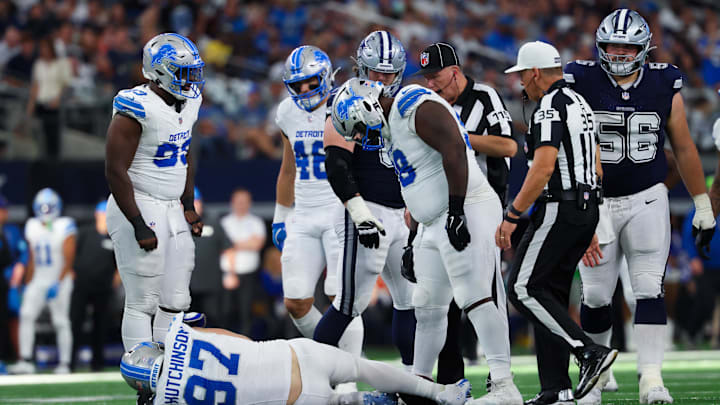
Aidan Hutchinson Injury Update Lions EDGE Expects To Play Vs Vikings Usa Today 19073057 . BREAKING Detroit Lions Aidan Hutchinson Reveals The 7 Words That Have Lions Cardinals Football 42418 . Lions Injured DE Aidan Hutchinson Surprises 20 Year Old Marine With 4 1280. Lions Aidan Hutchinson Could Return From Gruesome Injury In Time For Aidan Hutchinson Could Return From Gruesome Injury In Time For Super Bowl . Horrific Injury To Michigan Football Legend Aidan Hutchinson Is


Lions Aidan Hutchinson Suffers Devastating Injury Vs Cowboys Lions Aidan Hutchinson Suffers Devastating Injury Vs. Cowboys . Aidan Hutchinson Explains Why 2026 Will Be Different Yahoo Sports. What Happened To Aidan Hutchinson Looking At The Lions Star S Aidan Hutchinson Injury . What Happened To Aidan Hutchinson NFL Injury Update MixCollage 14 Oct 2024 06 44 PM 8361 . Lions DE Aidan Hutchinson Leaves Game With Season Ending Leg Injury Aidan Hutchinson Vert Scaled


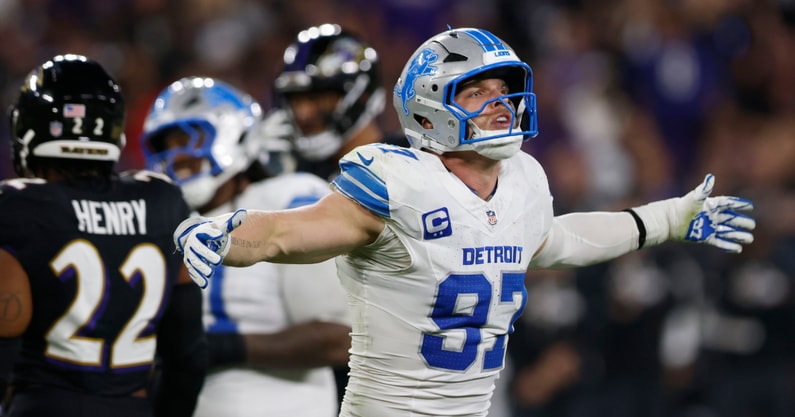
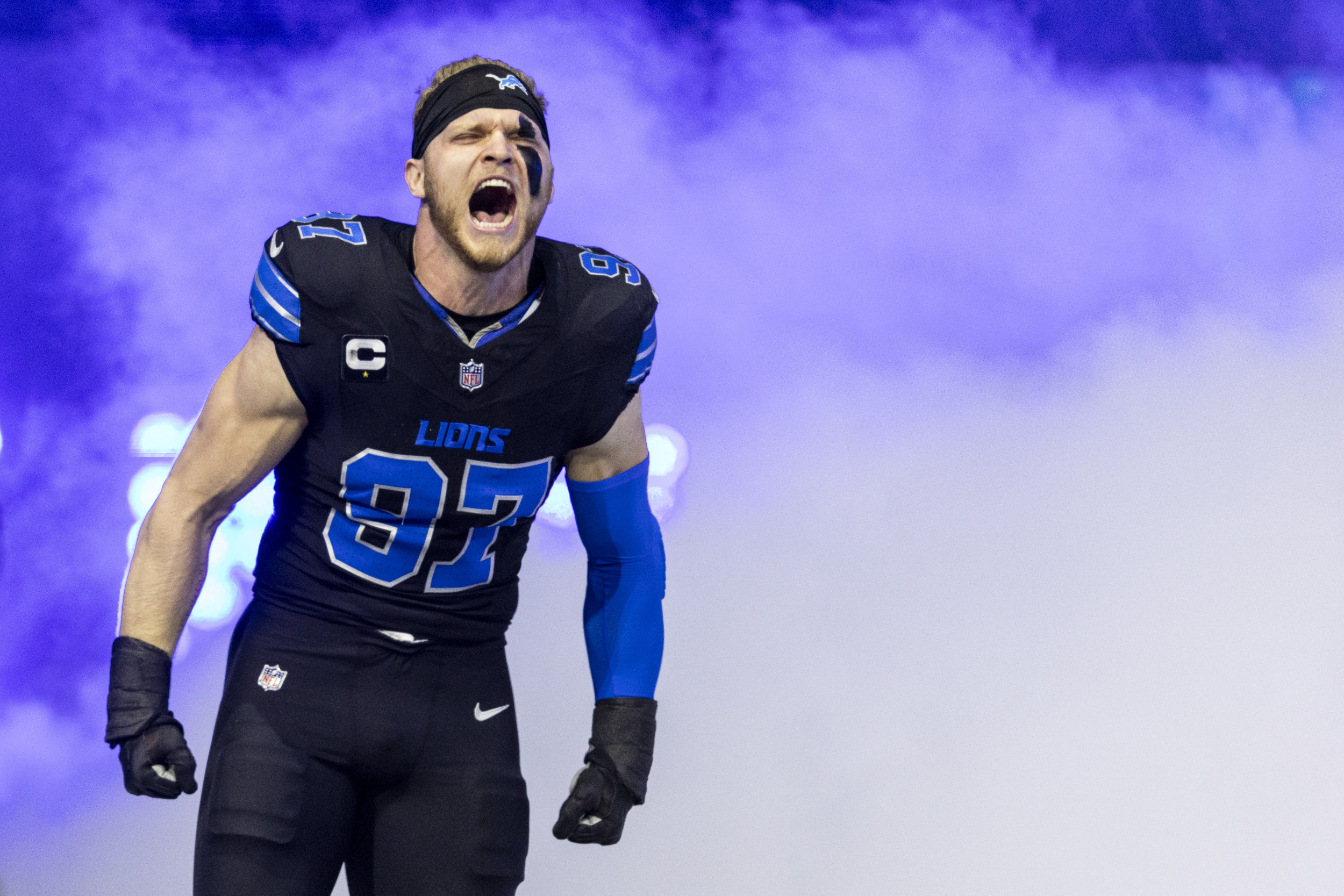
Aidan Hutchinson Lions Heartbroken After Star S Broken Tibia 75664477007 20241013 2546 . Aidan Hutchinson On Lions Pass Rush Let S Just Run Straight And Go Win. Aidan Hutchinson Injury Casts Dark Cloud Over Lions After Win 75680721007 Usatsi 24492576 . Michigan In NFL Will Johnson Injured Aidan Hutchinson Big Game Michigan Thumbnail 2025 09 . Lions Injured Top Defender Aidan Hutchinson Reveals He S On Track Aidan Hutchinson