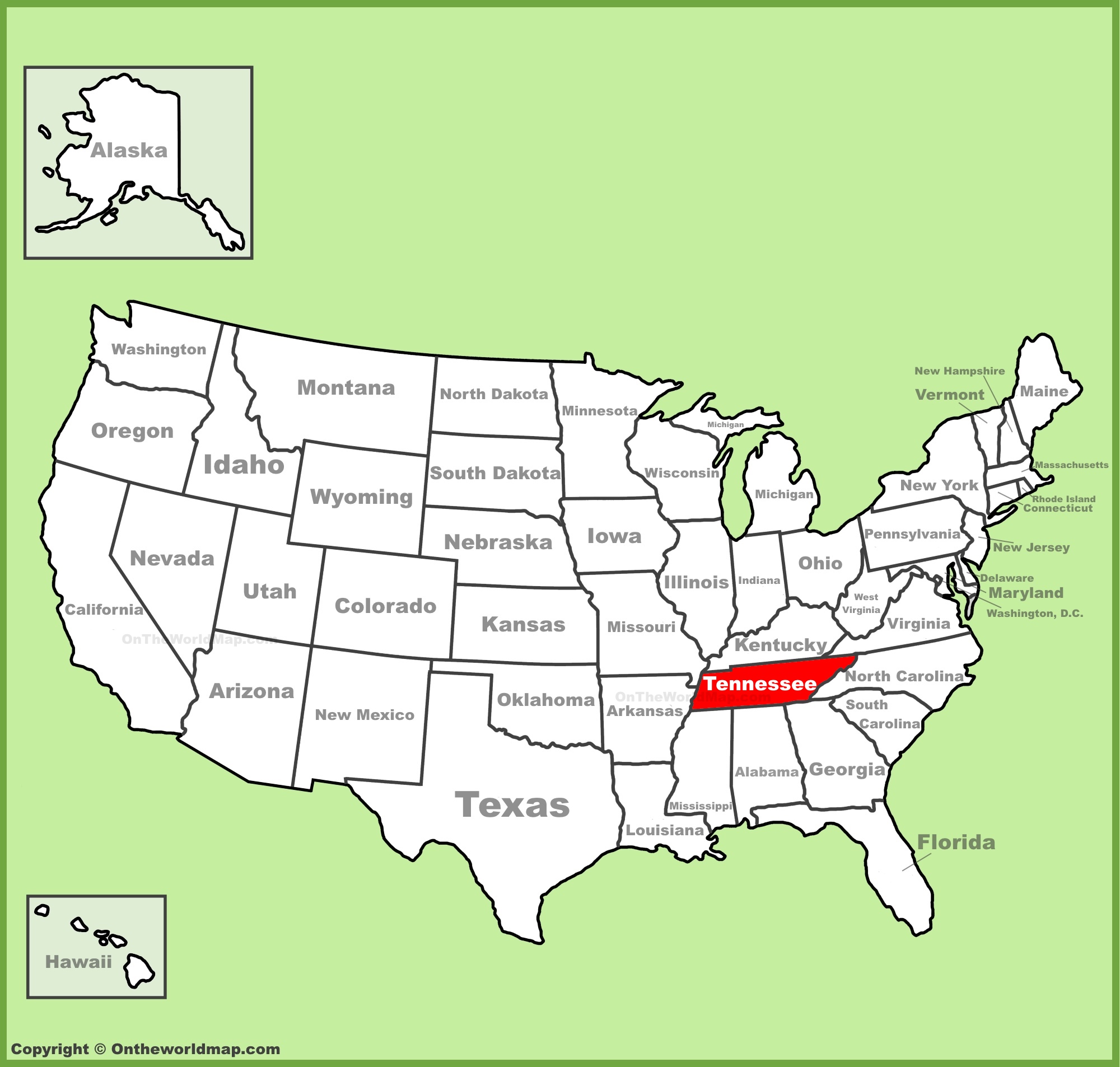
 Tennessee Location On The U S Map Tennessee Location On The Us Map
 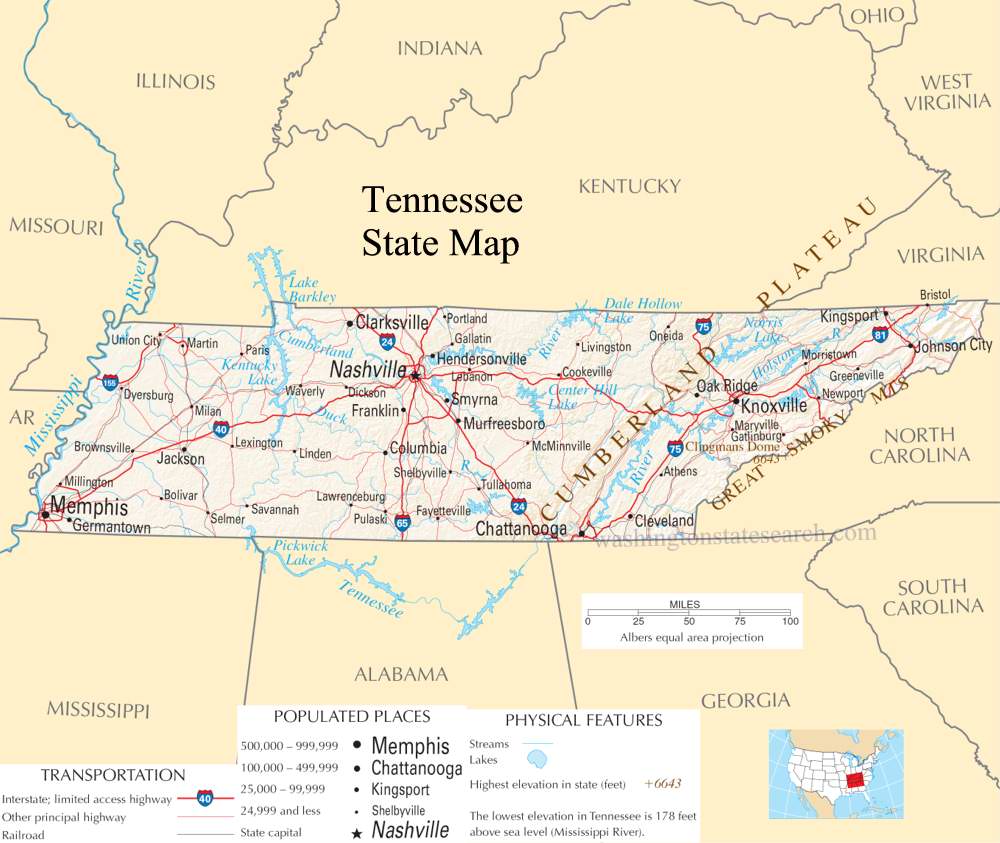 Tennessee State Map A Large Detailed Map Of Tennessee State USA Tennessee Map
 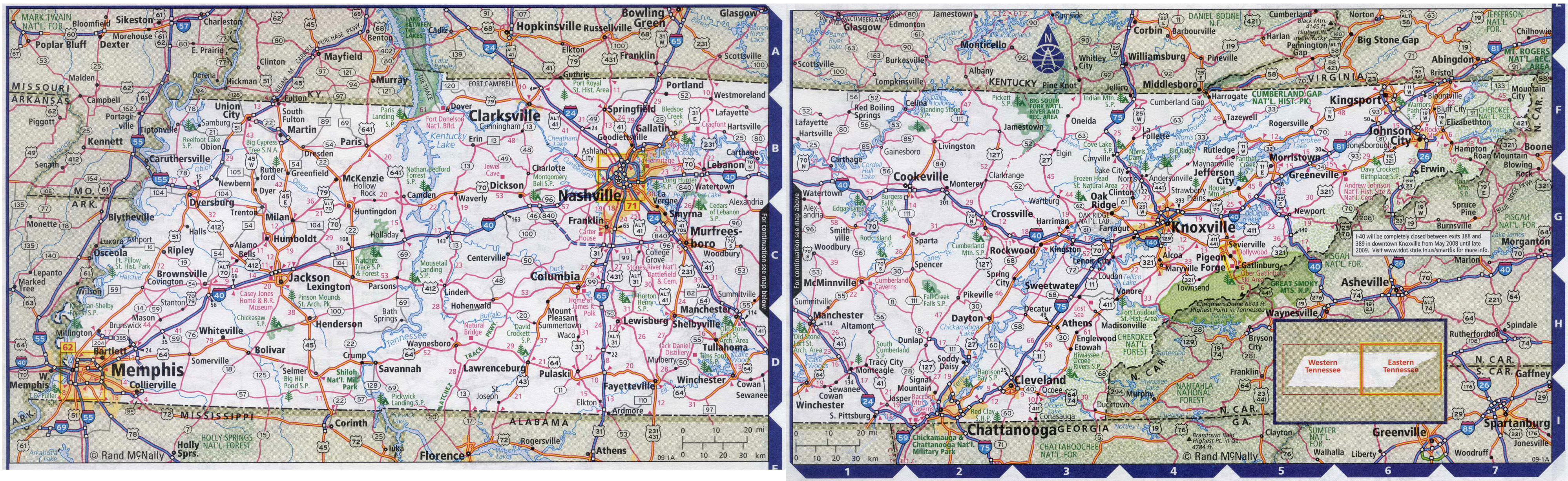 Map Of Tennessee Large Detailed Roads And Highways Map Of Tennessee State With All Cities
 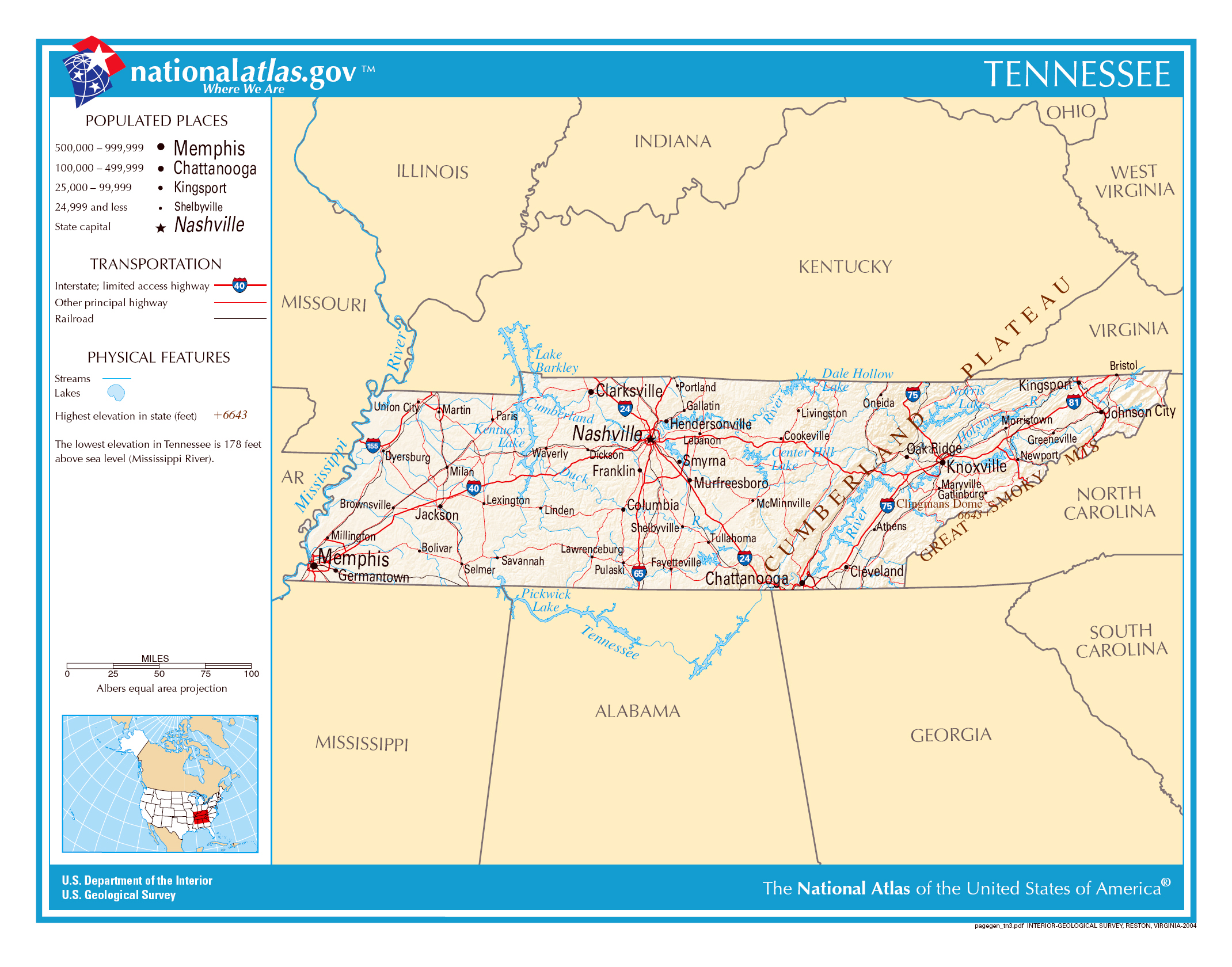 Large Detailed Map Of Tennessee State Tennessee State USA Maps Of Large Detailed Map Of Tennessee State
 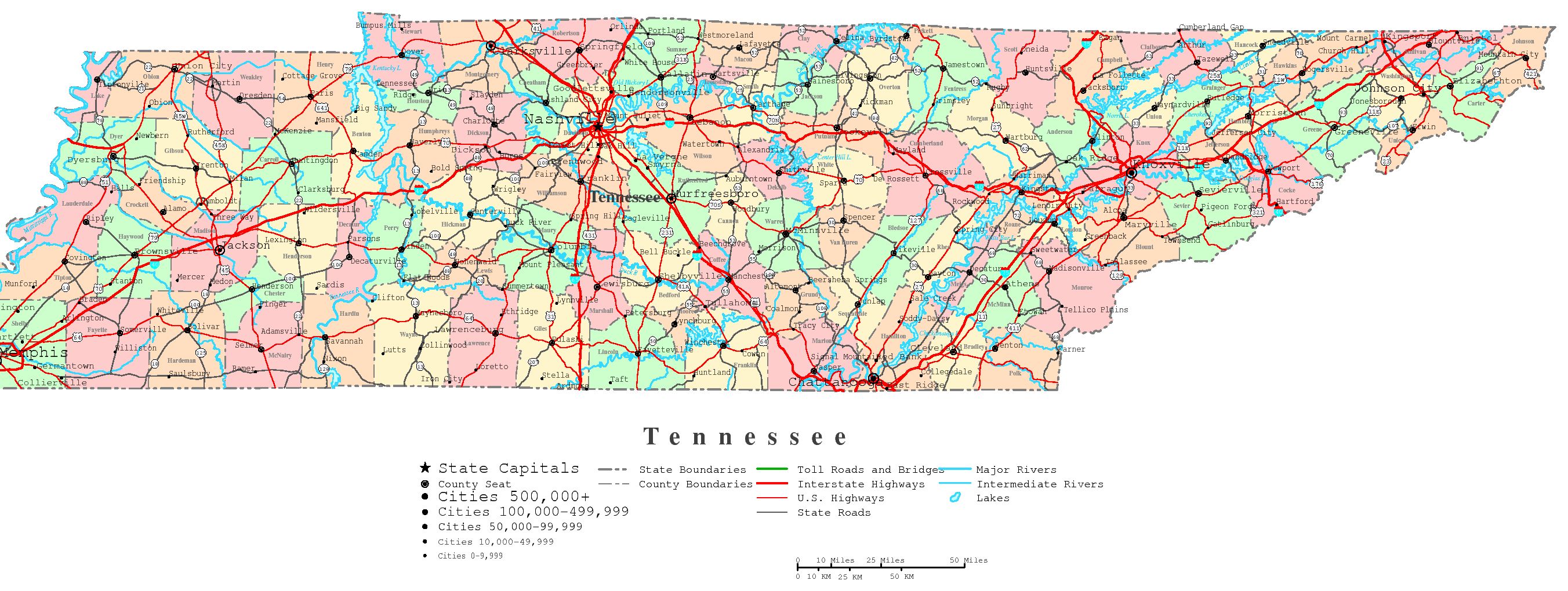 Tennessee Printable Map Tennessee Printable Map
  Printable Map Of Tennessee Counties And Cities Free Printable Download Map Of Tennessee
 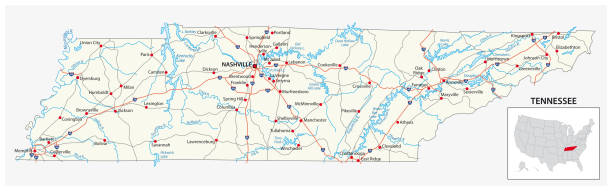 Road Map Of The Us American State Of Tennessee Stock Road Map Of The Us American State Of Tennessee
  Tennessee County Map Artofit
 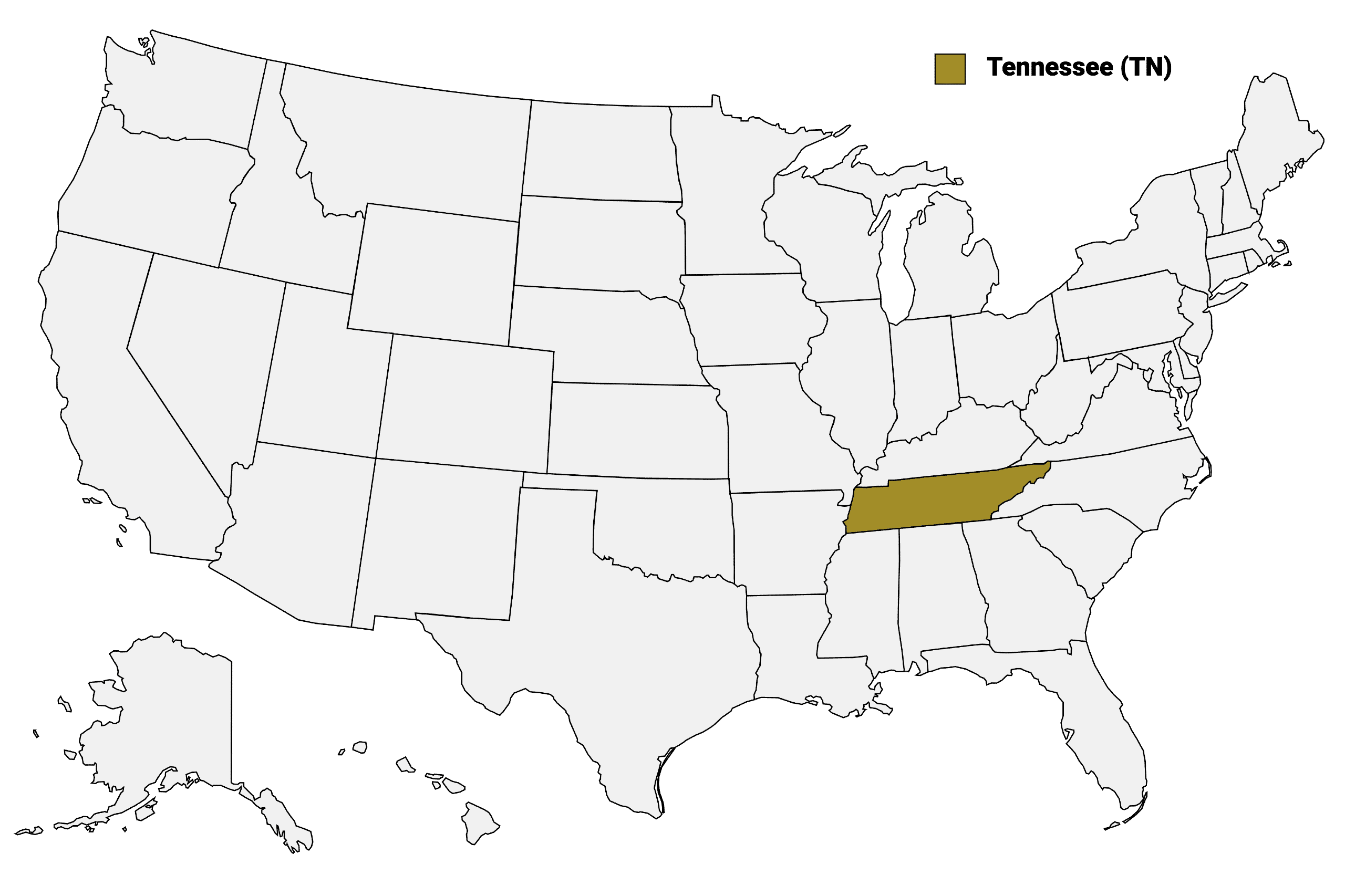 Tennessee Map Tennessee Location Usa Map
 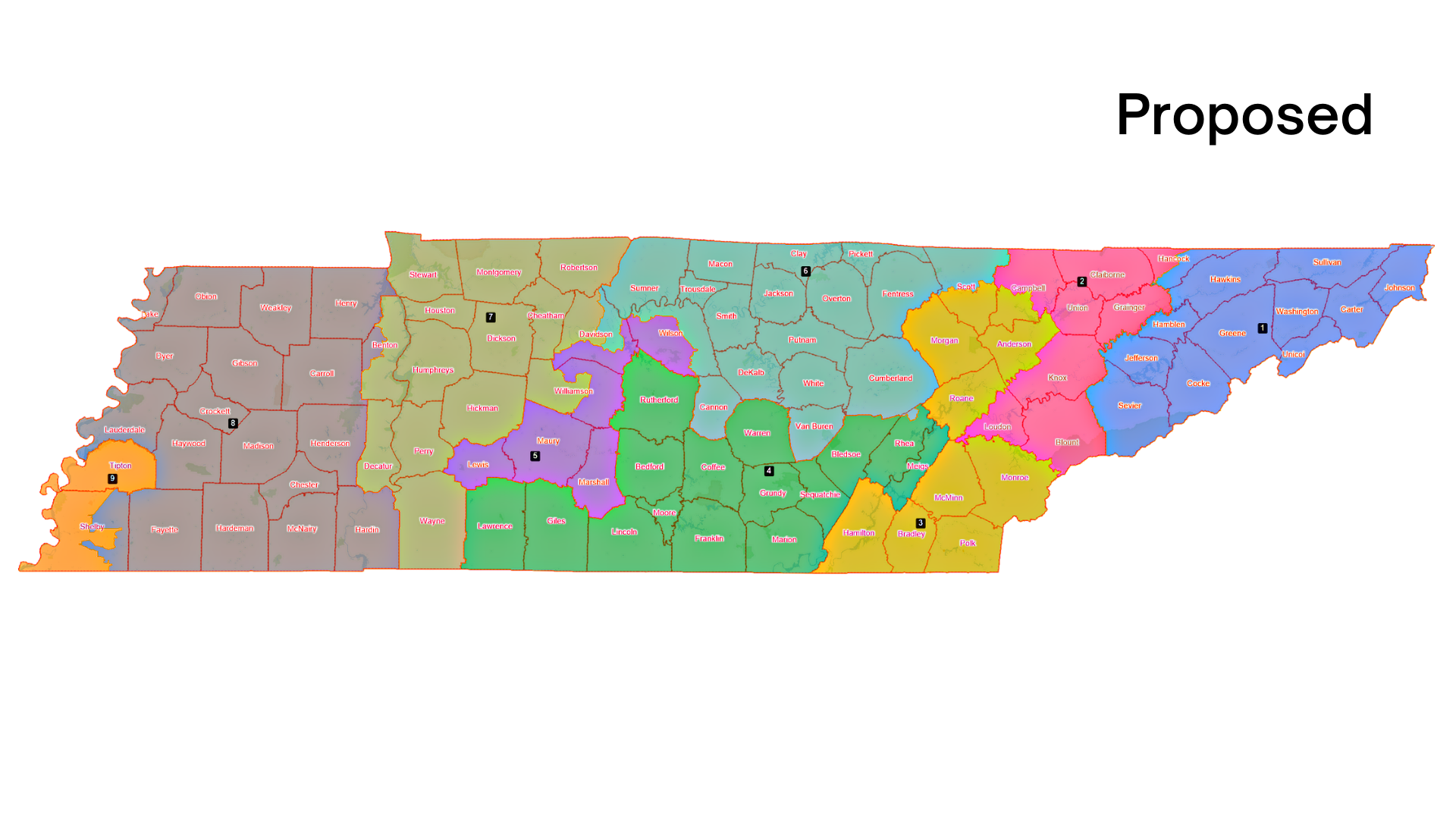 Tennessee Scale House Locations At Betty Love Blog Eabb Eb f Bb
 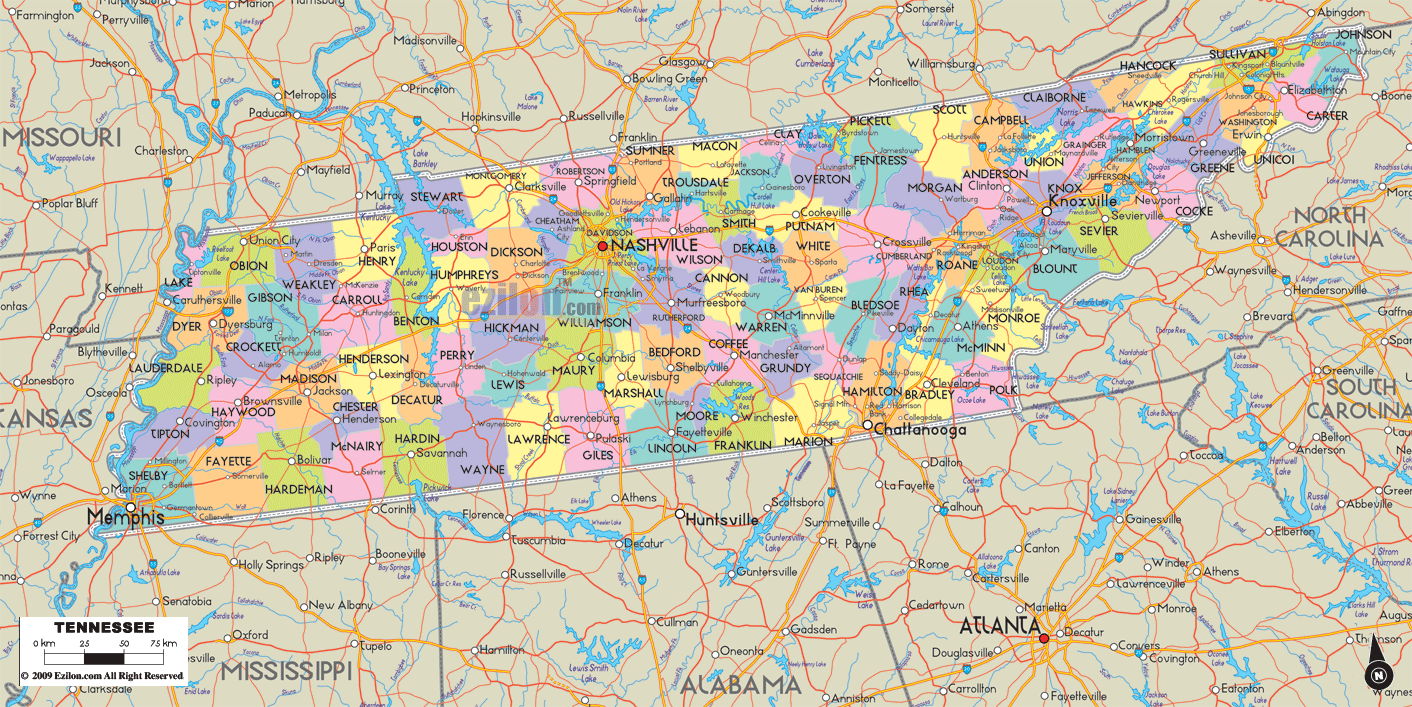 Map Of Tennessee Tennessee Map With Cities Counties And Road Light Tennessee County Map
 Ever wondered exactly where Tennessee shines on the grand tapestry of the United States map? This comprehensive guide dives deep into locating TN, exploring its unique geographical position and the neighboring states that complete its iconic borders. We uncover why this state, often abbreviated as TN, holds such significant cultural and historical weight within the American landscape. From its vibrant music scene to its breathtaking natural beauty, understanding TN's place on the map is crucial for anyone planning a visit or simply looking to expand their geographical knowledge. Discover key landmarks and vital navigational insights that will make spotting Tennessee effortless. This informational journey will clarify common queries and highlight trending aspects of the Volunteer State, ensuring you're fully informed about its pivotal location and impact.
Welcome to the ultimate living FAQ for understanding "tn on us map" in 2026! This comprehensive guide is your go-to resource for everything related to locating and understanding Tennessee on the United States map. We've dug deep into common queries, geographical insights, and future projections to bring you over 50 frequently asked questions, updated for the latest trends and data shaping the state. Whether you're a curious beginner, a seasoned geographer, or simply planning a trip to experience its vibrant culture, this guide offers essential tips, clever tricks, and detailed answers. It aims to help you master Tennessee's crucial place in the nation. Consider this your definitive map navigation manual, ensuring you're fully equipped with precise knowledge. Let’s dive in and unlock the many geographical secrets of the Volunteer State's ever-evolving footprint for 2026, addressing everything from basic location to economic impacts and tourist hot spots.
Basic Identification & Location
Where is Tennessee located on the US map?
Tennessee is centrally located in the southeastern United States. It stretches horizontally between the Appalachian Mountains in the east and the Mississippi River in the west. This strategic position makes it a vital crossroads connecting multiple regions across the nation. Its elongated shape makes it easily identifiable.
What does 'TN' stand for on a map?
'TN' is the official United States Postal Service abbreviation for Tennessee. This two-letter code is widely used on maps, in addresses, and for official state identification. It offers a quick and clear reference to the state. Knowing these abbreviations greatly helps with map comprehension.
Is Tennessee considered a Southern state?
Yes, Tennessee is firmly considered a Southern state, rich in historical and cultural ties to the American South. It balances traditional Southern charm with modern urban development. Its climate and historical narratives align strongly with the Southern identity. The state holds a significant place in Southern history.
What are the major cities in Tennessee?
Tennessee boasts several major cities. Nashville is the capital and a global music hub. Memphis is renowned for its music history and logistics industry. Knoxville, Chattanooga, and Clarksville are other significant urban centers. Each city contributes uniquely to the state's vibrant economy and culture.
Bordering States & Regional Context
Which states border Tennessee to its North?
Tennessee is bordered by two states to its north: Kentucky and Virginia. These states share significant historical connections and cultural exchanges with Tennessee. Their shared borders create a dynamic region. Understanding these northern neighbors helps contextualize Tennessee's regional importance and interactions.
How many states border Tennessee in total?
Tennessee shares borders with an impressive eight different states. These include Kentucky, Virginia, North Carolina, Georgia, Alabama, Mississippi, Arkansas, and Missouri. This makes Tennessee one of the most bordered states in the entire United States, emphasizing its central geographical role. This extensive network facilitates regional connectivity and commerce.
What is the geographical significance of Tennessee's borders?
Tennessee's extensive borders enhance its role as a key logistical and cultural corridor in the US. Its central position allows for easy access and trade between various regions. The diverse border states contribute to Tennessee's varied landscapes and cultural influences, making it a pivotal connection point. This enhances its overall strategic importance.
Major Geographical Features & Climate
What major river forms Tennessee's western boundary?
The mighty Mississippi River forms Tennessee's entire western boundary. This iconic river is crucial for the state's geography, history, and economy, especially in West Tennessee. It influences agriculture, trade, and cultural identity. The Mississippi is a fundamental natural feature shaping the state's physical map.
Does Tennessee have mountains?
Yes, Tennessee has significant mountainous regions, primarily in its eastern portion. The Appalachian Mountains, including the stunning Great Smoky Mountains, are prominent features. These mountains define East Tennessee's landscape, climate, and tourism. They offer incredible natural beauty and outdoor recreational opportunities. These ranges are key geographical identifiers.
What is Tennessee's climate generally like?
Tennessee generally experiences a humid subtropical climate. This means hot, humid summers and mild winters, with precipitation distributed throughout the year. The eastern mountainous regions can be cooler. This climate supports diverse agriculture and lush natural environments across the state. It influences everything from farming to tourism schedules.
Key Cities & Urban Development
What is the capital city of Tennessee?
Nashville is the proud capital city of Tennessee. Located in Middle Tennessee, it's globally recognized as a vibrant hub for country music, entertainment, and business. Beyond its musical fame, Nashville is a growing economic center. It contributes significantly to the state's cultural and political landscape.
How is Memphis significant on the Tennessee map?
Memphis, in West Tennessee, holds immense significance as a major port city on the Mississippi River. It's renowned for its blues and rock and roll history and as a global logistics and shipping hub. Its strategic location makes it critical for commerce and transportation. Memphis is a cultural and economic powerhouse.
Historical & Cultural Significance
What is Tennessee known for culturally?
Tennessee is internationally famous for its rich musical heritage, particularly country music (Nashville) and blues/rock and roll (Memphis). It also boasts a vibrant food scene, especially BBQ, and deep historical roots from the Civil War era. Its cultural landscape is a major draw for tourists. Music defines much of its identity.
Myth vs Reality: Is Tennessee solely rural?
Myth: Tennessee is solely a rural state with limited urban development.
Reality: While Tennessee has extensive rural areas and beautiful natural landscapes, it also features highly developed, bustling metropolitan centers like Nashville, Memphis, Knoxville, and Chattanooga. These cities are economic powerhouses, contributing to significant urban growth and cultural diversity, balancing the state's rural charm with modern amenities and opportunities. The urban centers are rapidly expanding.
Economic Impact & Industry Trends 2026
What are Tennessee's main industries in 2026?
By 2026, Tennessee's economy thrives on diverse sectors. Major industries include advanced manufacturing (especially automotive), healthcare (Nashville being a national hub), logistics and transportation, and robust tourism. The music and entertainment industry continues to be a global influencer. Tech and professional services are also seeing significant growth, reflecting a dynamic economic landscape.
Myth vs Reality: Is Tennessee's economy only about music?
Myth: Tennessee's economy is almost entirely dependent on its music industry.
Reality: While music is incredibly important to Tennessee's identity and economy, it's far from its only driver. The state has a highly diversified economy including strong sectors in advanced manufacturing (automotive), healthcare management, logistics, and tourism. Agriculture and professional services also contribute significantly, making it a robust and well-rounded economic player. Music is a star, but not the only show.
Tourism & Recreation Hotspots
What are the top tourist destinations in Tennessee?
Tennessee offers a wealth of tourist attractions. The Great Smoky Mountains National Park is the most visited national park in the US. Nashville's live music scene, including the Grand Ole Opry, is world-renowned. Memphis draws visitors to Beale Street and Graceland. Historic sites and natural beauty abound across the state.
Myth vs Reality: Is Tennessee only good for country music fans?
Myth: Tennessee's tourism appeal is limited exclusively to country music enthusiasts.
Reality: While Nashville is indeed the heart of country music, Tennessee offers a vast array of attractions beyond that genre. Memphis boasts blues, soul, and rock 'n' roll history, while the Great Smoky Mountains provide unparalleled outdoor adventure. Historical sites from the Civil War, distilleries, and diverse culinary scenes appeal to a broad spectrum of travelers. There's truly something for everyone.
Demographics & Population Shifts
How is Tennessee's population projected to change by 2026?
By 2026, Tennessee is projected to continue its steady population growth, particularly in and around its major metropolitan areas. This influx of new residents contributes to increasing diversity and shifts in demographics. Urban and suburban areas will see the most significant expansion. This growth impacts housing, infrastructure, and local economies. It ensures a dynamic and evolving state.
Environmental Concerns & Initiatives
What environmental challenges does Tennessee face in 2026?
In 2026, Tennessee faces environmental challenges including air and water quality concerns, particularly around industrial areas and agricultural runoff. Climate change impacts like increased extreme weather events and flooding are also pressing. Conservation efforts for its diverse ecosystems, especially in the Appalachian region, remain critical. Sustainable practices are becoming increasingly important for the state.
Myth vs Reality: Are Tennessee's natural resources limitless?
Myth: Tennessee's abundant natural resources are limitless and require minimal management.
Reality: Despite its rich natural endowment, Tennessee's resources are finite and face significant pressures. Issues like water scarcity during droughts, deforestation, and habitat loss from urban sprawl necessitate careful conservation and sustainable management practices. Protecting the Great Smoky Mountains, the Tennessee River, and numerous state parks requires ongoing effort and investment to ensure their longevity for future generations. Resources are precious and require stewardship.
Future Projections & Infrastructure 2026
What major infrastructure projects are impacting Tennessee by 2026?
By 2026, Tennessee's infrastructure landscape is being shaped by several key projects. Major highway expansions, like segments of I-65 and I-40, are ongoing to improve traffic flow and commerce. Investments in broadband internet are expanding access to rural areas. Public transit improvements in urban centers are also being prioritized. These initiatives bolster connectivity and economic potential statewide. Efficient infrastructure is vital for growth.
Myth vs Reality: Will rural Tennessee be left behind in 2026?
Myth: Rural areas of Tennessee will be completely overshadowed and left behind by urban growth in 2026.
Reality: While urban areas are growing rapidly, significant efforts are underway to ensure rural Tennessee thrives. State-led initiatives for broadband expansion, investment in rural healthcare, and promotion of agritourism are designed to boost rural economies and quality of life. The unique charm and resources of rural Tennessee remain vital to the state's identity and future, attracting new residents and businesses seeking a different pace of life. It’s about balanced development.
Still have questions about Tennessee on the US map?
If you've still got queries after this deep dive, don't hesitate! The world of geographical knowledge is vast and ever-changing. Explore more with our related guides on "Navigating Southern State Borders" or "The Economic Power of US River Systems." We're always updating our insights to keep you ahead of the curve. Your map mastery journey continues!
Alright, map explorers and geographical strategists, let's talk about the unsung star of the US map: Tennessee. Do you ever squint at a detailed US map, maybe while planning an epic road trip or dominating a geography quiz, and ask, "Where exactly is TN on the US map?" This question stumps many, but fear not, because today we're putting the Volunteer State squarely in the spotlight. Forget the Hollywood Hills; we're breaking down Tennessee's prime real estate, its alliances with neighboring states, and why this central US gem is always trending, much like a celebrity on the rise. We are diving into its geographical charisma and uncovering its undeniable charm, positioning it clearly for all.
Tennessee's Prime Real Estate: A Central Hub on the US Map
Tennessee truly boasts a strategic location right in the heart of the southeastern United States. It's bordered by an impressive eight different states, making it a true crossroads for travelers and commerce alike. This unique position means Tennessee is incredibly accessible from nearly every direction, a fact that will continue to boost its economic standing through 2026 and beyond. Think of it as the ultimate nexus point on your digital map, crucial for strategic navigation.
Looking at the map, Tennessee stretches east to west, connecting the Appalachian Mountains with the Mississippi River. This diverse landscape offers everything from rolling hills to fertile river valleys, proving it's not just a one-trick pony. This geographical variety supports a vibrant tourism industry, projecting record visitors to destinations like the Great Smoky Mountains National Park by 2026. Developers are also keenly watching its growing tech and manufacturing sectors.
The Neighbors: Who's in Tennessee's Inner Circle?
- Kentucky and Virginia to the North: These two states form Tennessee's northern border, sharing a rich history and distinct cultural connections.
- North Carolina to the East: Home to part of the Appalachian Mountain range, it offers stunning scenic beauty and outdoor adventures.
- Georgia, Alabama, and Mississippi to the South: These southern neighbors share deep historical roots and a warm, inviting charm.
- Arkansas and Missouri to the West: Separated by the mighty Mississippi River, they bridge Tennessee with the broader Midwest.
These bordering states create a dynamic regional network for Tennessee, influencing everything from trade routes to cultural exchanges. The interconnectivity strengthens its role as a regional leader in logistics and transportation, a trend expected to accelerate through 2026 with new infrastructure investments. This network is an important piece of the regional puzzle.
2026 Snapshot: What Makes TN a Map MVP?
By 2026, Tennessee is projected to see continued growth across multiple sectors, solidifying its status as a significant player. Nashville remains a global music powerhouse, attracting tourists and industry talent. Memphis continues its legacy as a logistics hub, with a booming healthcare sector. New broadband initiatives are also expanding digital access across rural areas. This strategic development ensures Tennessee's long-term prosperity and appeal.
Tourism remains a robust economic driver, with heritage sites and outdoor attractions drawing millions. The state's commitment to preserving its natural beauty, alongside investments in sustainable tourism, positions it for ongoing success. Environmental initiatives like watershed protection and renewable energy adoption are becoming increasingly important for its future. Tennessee is truly a dynamic force.
Beginner / Core Concepts
1. Q: I keep seeing 'TN' on maps; what exactly does that abbreviation stand for? A: Hey there, I totally get why this might look a bit like a secret code at first glance! 'TN' is actually the official postal abbreviation for Tennessee, a beautiful state located in the southeastern part of the United States. Think of it as a handy shorthand that helps quickly identify Tennessee on any map or in official documents. It's designed for clarity and conciseness, especially when space is limited, like on a really dense US map. Just knowing this one little abbreviation opens up a whole new level of map reading for you. You've got this!2. Q: Where is Tennessee located on the US map, generally speaking? A: This one used to trip me up too when I was first getting into geographical data! Generally speaking, Tennessee sits right in the southeastern United States. It's somewhat centrally located within that region, stretching horizontally across the map. If you're looking at a full US map, find the Mississippi River on the western side and the Appalachian Mountains on the eastern side; Tennessee spans between those two major geographical features. It’s got this cool elongated shape, almost like a bridge between the deep South and the Midwest. Try to visualize it between the mountain ranges and the major river systems. You're building great foundational knowledge already!
3. Q: Which states share a border with Tennessee? A: That’s an excellent question for understanding its regional influence! Tennessee has a pretty impressive list of neighbors, bordering eight different states. Seriously, that's a lot! To the north, you'll find Kentucky and Virginia. Head east, and it's North Carolina. To the south, it shares lines with Georgia, Alabama, and Mississippi. And finally, on its western flank, across the Mississippi River, are Arkansas and Missouri. This makes Tennessee a real crossroads for culture, commerce, and natural beauty. It's like the central hub of a complex data network, connecting many different nodes. Pretty neat, right?
4. Q: Is Tennessee considered an East Coast, West Coast, or Central US state? A: Great point for regional categorization! Tennessee is definitely considered a Central US state, specifically within the Southeast region. It doesn't touch the Atlantic (East Coast) or the Pacific (West Coast) oceans. Its central position means it often acts as a bridge, culturally and geographically, between the traditional "Deep South" and parts of the Midwest. This unique placement gives it a blend of influences you might not find in purely coastal states. It’s a good mental model to use when you're thinking about broader US regions and their characteristics. Keep asking these smart questions!
Intermediate / Practical & Production
5. Q: How does Tennessee's unique long, narrow shape affect its internal geography and climate? A: Oh, this is where it gets really interesting for practical implications! Tennessee's distinctive elongated shape, stretching east-to-west, means it encompasses vastly different geographical features, directly impacting its climate and internal dynamics. You've got the Appalachian Mountains in the east, the rolling hills of Middle Tennessee, and the flat, fertile Mississippi River plains in the west. This geographical diversity means the eastern part experiences cooler, mountainous weather, while the western part has a more humid subtropical climate. It creates distinct microclimates and agricultural zones, almost like having three mini-states within one. This is a classic example of how physical layout drives internal variance, much like system architecture influences performance. Try to trace those different zones on a physical map, it's quite illuminating!6. Q: What are the major geographical divisions within Tennessee, and what defines them? A: Understanding these divisions is key to truly grasping Tennessee! The state is generally broken down into three Grand Divisions: East, Middle, and West Tennessee. East Tennessee is defined by the Appalachian Mountains, including the Great Smoky Mountains, with a rugged, forested landscape and vibrant tourism around Knoxville. Middle Tennessee, centered around Nashville, is characterized by the Nashville Basin and surrounding Highland Rim, known for its rolling hills, fertile farmlands, and cultural hubs. West Tennessee, stretching to the Mississippi River, is much flatter, dominated by the Gulf Coastal Plain, and crucial for agriculture, especially cotton, with Memphis as its main city. Each division has its own distinct identity, economy, and even dialect. It’s like different modules within a large software project, each with its own specialized function. Pretty cool, right?
7. Q: How has the Mississippi River influenced West Tennessee's development and mapping? A: This is a fantastic question because the Mississippi River is absolutely foundational to West Tennessee! It's not just a border; it's the lifeblood. The river historically served as a primary transportation artery, making Memphis a major port city early on, especially for cotton and timber, and now a global logistics hub. Its floodplains created incredibly fertile agricultural land, shaping the region's economy and settlement patterns. From a mapping perspective, the river dictates the western boundary and influences the very contours of the land through erosion and deposition, creating unique riverine landscapes. Understanding its role is like understanding the core data flow in a legacy system – it’s been there forever and shapes everything around it. It's a prime example of geography as destiny. Keep digging into these historical influences!
8. Q: What kind of natural resources are prominently mapped across Tennessee, and why are they important? A: Excellent query about resource mapping! Tennessee is quite rich in certain natural resources, and their location has significantly shaped the state's economy and industrial history. You'll prominently find deposits of coal in the Cumberland Plateau, especially in East Tennessee, which was vital for early industrialization. Limestone is widespread, important for construction and agriculture. Timber resources are extensive across the state, supporting a forest products industry. The Tennessee River system itself is a massive resource, providing hydroelectric power, navigation, and water for agriculture and industry. Mapping these resources helps us understand economic distribution and environmental impacts. It's like resource allocation in a complex system; knowing where everything is helps optimize its use. You're thinking like a spatial analyst now!
9. Q: With climate change in mind, how might Tennessee's geographical map features evolve by 2026? A: That's a forward-thinking question, tying into predictive modeling! By 2026, while dramatic topographical changes are unlikely, we're already seeing subtle but significant shifts impacting Tennessee's mapped features. Increased frequency and intensity of extreme weather events, like heavier rainfall and longer dry spells, are leading to heightened concerns about soil erosion, particularly in agricultural areas, which could subtly alter mapped land use. River levels on the Mississippi and Tennessee River systems are experiencing more fluctuations, affecting navigation and flood zone mapping. Additionally, shifts in forest ecosystems due to temperature changes might necessitate updates to vegetation maps, impacting biodiversity conservation efforts. It's an ongoing, dynamic process, much like continuous integration in software development, where the landscape is constantly being refined and updated. Monitoring these changes is crucial for future planning. You're ahead of the curve with this kind of thinking!
10. Q: How do infrastructure projects like I-65 expansion impact Tennessee on the US map for commerce and travel? A: This is a super practical question about the real-world impact of mapped features! The expansion of major arteries like I-65, which runs north-south through Middle Tennessee, significantly enhances the state's role as a vital commercial corridor on the US map. By 2026, these upgrades are designed to reduce congestion, improve freight efficiency, and shorten travel times, making Tennessee an even more attractive location for logistics and distribution centers. This isn't just about faster commutes; it's about optimizing the flow of goods and people across a huge portion of the country. From a mapping perspective, improved infrastructure makes Tennessee a more 'efficient' node in the national transportation network, increasing its 'throughput' capacity. It’s a tangible example of how planning and engineering directly shape economic opportunity. You're seeing the system in action!
Advanced / Research & Frontier 2026
11. Q: Beyond physical borders, how do cultural and demographic shifts influence how 'Tennessee' is perceived on a 2026 US map? A: Ah, this is where we move beyond just pixels on a screen and into the fascinating realm of 'soft' mapping, which is crucial for modern analysis! By 2026, the perception of Tennessee on the US map is increasingly influenced by its rapid demographic growth and cultural evolution, especially around urban centers like Nashville and Chattanooga. We're seeing a significant influx of new residents from diverse backgrounds, which alters the state's political leanings, consumer markets, and social fabric – factors not traditionally 'mapped' but vital for understanding its identity. This creates a more complex, multi-layered 'map' where traditional southern charm blends with burgeoning tech scenes and international influences. It challenges the static view of a state and forces us to consider dynamic cultural overlays. This kind of nuanced analysis is where advanced models truly shine, allowing us to map emergent properties. You’re asking the big-picture questions now!12. Q: What emerging technologies are influencing how Tennessee is mapped and analyzed by 2026? A: This is absolutely a frontier-level question, and it's exciting to think about! By 2026, we're seeing advanced GIS systems leveraging AI and machine learning for more dynamic and predictive mapping of Tennessee. Think about real-time traffic flow optimization, urban growth modeling based on satellite imagery, and even granular environmental impact assessments using drone data. Hyperspectral imaging is giving us unprecedented detail on agricultural health and water quality. Furthermore, the integration of IoT sensors provides live data streams for infrastructure monitoring, creating 'living maps' that update instantaneously. These technologies allow for predictive analytics on everything from disaster preparedness to optimal resource allocation, moving us beyond static representations to dynamic, intelligent models. It's truly a game-changer for geographical understanding, just like new algorithms revolutionize data processing. You're spot on with this line of inquiry!
13. Q: Considering projected population centers for 2026, how might Tennessee's electoral map shift in future elections? A: This is a critical question for political science and data modeling, excellent work! By 2026, Tennessee's electoral map is anticipated to continue reflecting shifts driven by robust population growth, particularly in its metropolitan areas like Nashville, Murfreesboro, and Chattanooga. The influx of new residents, often from out-of-state, tends to diversify the voter base, potentially leading to more competitive districts in these growing urban and suburban corridors. While rural areas may remain largely consistent, the sheer increase in urban votes could incrementally shift the statewide balance over time, even if not dramatically in a single election cycle. Future redistricting efforts, which are inherently a mapping exercise, will be crucial in reflecting or even shaping these demographic changes. It’s a complex feedback loop where population dynamics directly inform political geography, a fascinating area for advanced predictive models. You're tackling the societal impact of data!
14. Q: How does Tennessee's geological history, mapped deep below the surface, still influence its surface features and potential hazards in 2026? A: Now you're diving deep, literally, into foundational principles! Tennessee's ancient geological history, with formations like the Appalachian Mountains formed millions of years ago, profoundly influences its surface features today and will continue to do so in 2026. The underlying bedrock dictates everything from soil types and agricultural viability to the presence of caves and karst topography, especially in Middle Tennessee. This karst landscape, characterized by soluble bedrock like limestone, creates sinkholes and underground rivers, which are critical considerations for infrastructure planning and water resource management. Even seismic activity, though generally low, is tied to ancient fault lines. Mapping these subterranean layers is vital for understanding surface stability, water flow, and potential natural hazards. It's like understanding the foundational code of an operating system; even hidden, it shapes everything. Keep thinking about those deep connections!
15. Q: What are the 'un-mapped' or less-conventional ways researchers are conceptualizing 'Tennessee' on a US map in 2026, beyond just physical boundaries? A: This is truly at the frontier of spatial analysis and conceptual modeling, fantastic! In 2026, researchers are increasingly looking beyond physical boundaries to 'map' Tennessee through intangible data layers. Think about mapping "cultural zones" based on music genre consumption patterns, "economic influence zones" extending beyond state lines due to industry clusters like automotive or healthcare, or even "social network maps" showing connections between residents and external communities. We're using sentiment analysis on social media to understand regional attitudes, or tracking migration patterns to show how Tennessee's 'reach' extends nationally. This involves leveraging big data, natural language processing, and graph theory to visualize influence and connectivity rather than just fixed locations. It's about mapping relationships and flows, not just static points, offering a much richer, dynamic understanding of a state's true footprint. You're pushing the boundaries of what 'mapping' can even mean – love it! You're going to build some incredible things with this perspective.
Quick 2026 Human-Friendly Cheat-Sheet for This Topic
- TN is shorthand for Tennessee, plain and simple!
- It's right in the southeastern US, a major crossroads state.
- Eight states border it, making it super connected.
- Expect continued growth in tech and tourism through 2026.
- Its long shape means varied geography, from mountains to river plains.
- New tech helps map its growth and changes in real-time.
- Thinking about population shifts is key to understanding its future!
So there you have it, fellow map adventurers! Tennessee, or TN, isn't just a blob on the US map; it's a dynamic, strategically vital state with a rich tapestry of geography, culture, and economic potential. From its enviable central location bordering a multitude of states to its projected growth in 2026, Tennessee truly earns its place as a map MVP. Keep these insights in your geographical toolkit, whether you're navigating a cross-country journey or just impressing friends with your superior map knowledge. The Volunteer State is always ready for its close-up, and now you know exactly where to find it and why it matters.
Tennessee's central US location, bordering eight states. Nashville as the capital and music hub. Diverse geography from mountains to river valleys. Rich history and cultural significance. Known for country music, BBQ, and national parks. Growing economy and tourism sector.