Ever wondered why your favorite game stutters despite a powerful graphics card? The answer often lies with your Central Processing Unit, or CPU. Understanding how does a processor affect gaming is crucial for any serious player looking to optimize their experience. This comprehensive guide dives deep into the CPU's role, from boosting frame rates and reducing load times to enabling seamless multitasking during intense gaming sessions. We explore the intricate relationship between processor cores, clock speed, and overall system responsiveness, offering practical insights and solutions for common gaming pain points. Whether you are a seasoned pro gamer aiming for peak performance, or a casual player seeking smoother gameplay without breaking the bank, this article provides the essential knowledge to make informed hardware decisions. Discover how to identify bottlenecks, upgrade smartly on a budget, and ensure your system is perfectly balanced to deliver the immersive, fluid gaming experience you deserve. Stay ahead of the curve with insights into current trends and what it takes to future-proof your gaming rig for the titles of tomorrow.
Top 5 natural Questions about "how does a processor affect gaming": 1. How does a processor affect gaming performance and FPS? 2. What is a CPU bottleneck and how does it impact my games? 3. Do more CPU cores improve gaming in modern titles? 4. Should I prioritize CPU clock speed or core count for gaming? 5. How important is a good CPU for streaming or recording gameplay? 7 FAQ style Q/A bullet points about "how does a processor affect gaming": - Q: What specific tasks does a CPU handle in a game? A: The CPU manages game logic, AI behavior, physics calculations, collision detection, and instructs the GPU on what to render. - Q: Can an older CPU bottleneck a new graphics card? A: Yes, absolutely. An older, slower CPU often cannot process game data fast enough, preventing a powerful new GPU from reaching its full potential, leading to lower FPS. - Q: How much RAM does my CPU need for gaming? A: While RAM is system-wide, the CPU manages data access. For gaming, 16GB is the current standard, with 32GB becoming increasingly popular for heavy multitasking and future-proofing. - Q: Is a high clock speed always better than more cores for gaming? A: Not always. For older or less-optimized games, high clock speed can dominate. Modern games, however, increasingly utilize multiple cores, making a balance of both crucial. - Q: What is the minimum CPU requirement for competitive esports gaming? A: For competitive esports, a modern 4-core/8-thread CPU with good single-core performance (like an Intel i3-12100F or AMD Ryzen 3 5300G equivalent) is usually sufficient for high frame rates. - Q: Does integrated graphics performance depend on the CPU? A: Yes, integrated graphics (iGPU) are part of the CPU. Its performance is directly tied to the CPU's processing power, clock speed, and the speed of your system RAM. - Q: Will a better CPU reduce load times in games? A: Yes, a faster CPU can significantly reduce game load times by accelerating the processing of game assets and data, especially when combined with a fast SSD.You have just dropped into your favorite battle royale, the action is intense, and suddenly, your screen stutters. Or maybe you are exploring a vast open world, but textures pop in slowly, and load screens feel like an eternity. Sound familiar? Many gamers automatically blame the graphics card, but often, the silent culprit is the Central Processing Unit, or CPU. In the competitive world of gaming, where smooth performance is paramount for both enjoyment and victory, understanding how does a processor affect gaming is more critical than ever.
US gamers, on average around 36 years old, dedicate over 10 hours a week to their passion, with a significant 87 percent regularly engaging in gaming. For pro gamers, every frame counts, and for those who game to unwind or connect with friends, frustrating performance dips can ruin the experience. We are not just talking about raw power here; it is about efficiency, balance, and smart optimization. This guide will demystify the CPU's role, helping you understand how it impacts everything from your frame rates to your ability to stream while playing, ensuring you can make informed decisions to keep your rig current without falling for hype.
How Does a Processor Directly Impact Your In-Game Frame Rates (FPS)?
Your processor acts as the brain of your gaming PC, constantly calculating complex instructions that determine how the game runs. When you ask, "how does a processor affect gaming?" the most immediate answer is through its direct influence on Frame Rates Per Second (FPS). While the GPU renders the visual elements you see on screen, the CPU is responsible for preparing all that data. It handles game logic, artificial intelligence behaviors, physics calculations, draw calls to the GPU, and networking code. If your CPU cannot process this information fast enough, it cannot feed the GPU with enough data, causing the GPU to wait. This waiting period results in lower FPS, even if your graphics card is incredibly powerful. Essentially, a weak CPU creates a bottleneck, limiting the potential of your entire system.
What is a CPU Bottleneck in Gaming and How Can I Identify It?
A CPU bottleneck occurs when your processor is working at 100% capacity while your graphics card is underutilized, say at 50-70%. This imbalance means your CPU cannot keep up with the GPU's demand for data, hindering the overall performance of your gaming rig. Identifying a bottleneck involves monitoring your hardware during gameplay. Tools like MSI Afterburner, HWiNFO64, or even Task Manager can display your CPU and GPU utilization. If your CPU usage consistently hits high percentages (90-100%) while your GPU usage is significantly lower, especially in CPU-intensive games like strategy titles, simulations, or large open-world RPGs, you likely have a CPU bottleneck. This usually manifests as inconsistent frame rates, stutters, and poor minimum FPS.
Do More CPU Cores Really Matter for Modern Games in 2026?
Absolutely, more CPU cores matter significantly in 2026, especially as games become increasingly complex and demanding. Historically, gaming was primarily single-core dependent, prioritizing high clock speeds. However, this month's top titles and future releases are designed to leverage multiple cores, distributing workloads across them more efficiently. While not every game can fully utilize an extremely high core count, having 6 to 8 cores with strong single-core performance is now considered the sweet spot for a dedicated gaming PC. More cores also greatly enhance multitasking capabilities, allowing you to stream, record gameplay, run Discord, or manage background applications without impacting your game's performance – a huge plus for pro gamers and content creators.
How Does CPU Clock Speed Compare to Core Count for Gaming Performance?
Both CPU clock speed and core count are crucial, but their importance can vary depending on the game and your usage. Clock speed, measured in gigahertz (GHz), determines how many cycles your CPU can complete per second. Higher clock speeds generally mean faster processing of individual tasks, which directly benefits games that still rely heavily on single-core performance or have sequential code that cannot be easily split across multiple cores. Core count, as discussed, is about parallel processing – handling multiple tasks simultaneously. For optimal gaming, especially in modern titles and when multitasking, a balance is key. A CPU with a decent number of cores (e.g., 6-8) operating at high clock speeds (e.g., 4.5 GHz or higher) offers the best all-around performance, ensuring both strong single-thread execution and robust multi-thread capabilities.
Can an Integrated Graphics Processor (iGPU) Handle Gaming, and What Are Its Limitations?
An Integrated Graphics Processor (iGPU) is a graphics chip built directly into the CPU, sharing system memory with the main processor. While iGPUs have made significant strides in recent years, they have distinct limitations compared to dedicated graphics cards (dGPUs) when it comes to gaming. For casual games, older titles, or less demanding esports, an iGPU can provide playable frame rates, often at lower resolutions and settings. This month, many free-to-play titles can even run adequately on current-generation iGPUs. However, for graphically intensive AAA titles, high refresh rate monitors, or VR gaming, an iGPU will struggle immensely. Its limitations stem from shared memory bandwidth, less dedicated processing power, and often lower clock speeds, leading to significantly lower frame rates and compromises on visual quality. For a serious gaming experience, a dedicated GPU remains essential.
Is Upgrading My CPU Worth It if My GPU is Old?
Upgrading your CPU when your GPU is old is generally not the most impactful upgrade for gaming performance. While a new CPU will undoubtedly improve overall system responsiveness and potentially boost minimum frame rates, the primary bottleneck will likely shift to your aging GPU. Your graphics card is responsible for rendering the complex visuals of modern games, and if it cannot keep up, even the fastest CPU will not be able to magically conjure higher frame rates from thin air. It is like having a super-fast engine in a car with flat tires – you might accelerate quickly, but you will not go far. For balanced performance and the best value for money, a good rule of thumb is to upgrade the component that is currently causing the most significant bottleneck. Often, for gamers on a budget, upgrading the GPU first yields more noticeable improvements in visual fidelity and average FPS.
How Does My CPU Choice Affect Streaming, Recording, and Multitasking While Gaming?
Your CPU choice profoundly impacts your ability to stream, record, and multitask effectively while gaming. These activities are highly CPU-intensive, as they require encoding video, processing audio, and running multiple applications simultaneously in the background. A strong CPU with a higher core and thread count (e.g., 8 cores / 16 threads or more) can handle these parallel workloads with ease, dedicating resources to both the game and your streaming/recording software without compromising in-game performance. Without a capable processor, you will experience frame drops, stream quality degradation, and a generally choppy experience for both yourself and your audience. Many pro gamers and content creators prioritize high-end CPUs precisely for this reason, as it allows them to maintain peak gaming performance while delivering high-quality content.
What are the Future Trends in CPU Technology for Gaming that I Should Know About?
Looking to 2026 and beyond, CPU technology for gaming is evolving rapidly. We are seeing continued advancements in core counts, pushing towards hybrid architectures with performance and efficiency cores working in tandem, similar to what we see in mobile processors today. This approach optimizes power consumption and task allocation. Increased cache sizes, faster inter-core communication, and improved instruction sets will further boost gaming performance. On the software side, game engines are becoming more adept at leveraging these advancements, with better multi-threading optimization and potentially even AI-driven enhancements to game logic and physics. Expect CPUs to play an even more integrated role in gaming, moving beyond just raw calculations to enabling more dynamic, immersive, and responsive game worlds, making smart processor choices even more critical for staying current without constant upgrades.
FAQ Section
- Q: Can a strong CPU compensate for a weak GPU?
A: Not entirely. While a strong CPU helps overall system performance and can prevent bottlenecks, a weak GPU will ultimately limit graphical fidelity and frame rates in demanding games, regardless of CPU power. - Q: What CPU features are most important for gaming?
A: High single-core clock speed, a good number of physical cores (6-8 for modern gaming), and sufficient cache memory are key features that benefit gaming performance. - Q: How often should I upgrade my CPU for gaming?
A: Typically, a good gaming CPU can last 3-5 years or even longer before a significant upgrade is truly necessary, depending on your gaming habits and target performance. - Q: Does overclocking my CPU improve gaming FPS?
A: Yes, overclocking can increase your CPU's clock speed, potentially leading to a modest boost in FPS, especially in CPU-bound scenarios. However, it requires proper cooling and carries some risks. - Q: What is the ideal CPU usage while gaming?
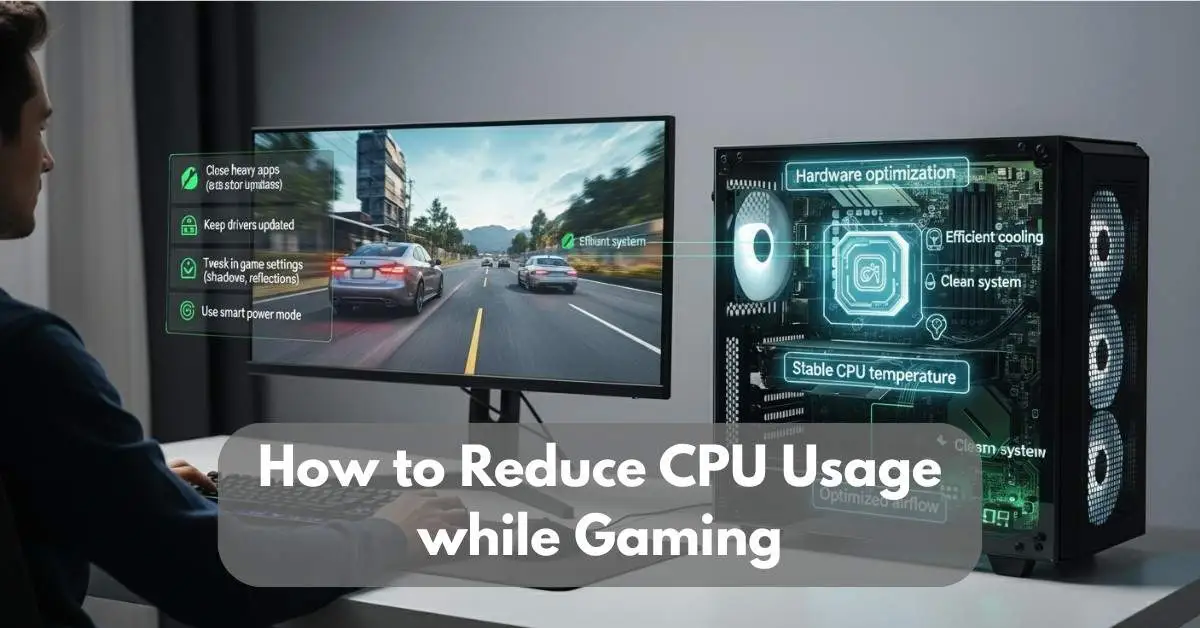
A: Ideally, your CPU usage while gaming should not consistently hit 100%. Healthy usage often ranges from 60-90%, indicating a balanced system where both CPU and GPU are working efficiently. - Q: How do CPU temperatures affect gaming performance?
A: High CPU temperatures can lead to thermal throttling, where your CPU automatically reduces its clock speed to prevent overheating. This directly results in lower gaming performance and stuttering. - Q: Are AMD or Intel CPUs better for gaming?
A: Both AMD and Intel offer excellent gaming CPUs. The choice often comes down to specific models, price points, and personal preference, as both companies fiercely compete for performance leadership in different market segments.
A processor is vital for gaming, influencing frame rates, load times, and overall system responsiveness. It manages game logic, AI, and physics calculations, complementing the GPU's graphical rendering. A weak CPU can bottleneck even a powerful GPU, leading to stuttering and lower FPS. Modern games increasingly benefit from more cores for multitasking and background processes. Optimizing your CPU ensures smoother gameplay, faster transitions, and a more immersive experience, especially in CPU-intensive titles like open-world games or strategy games. Understanding its role helps in smart upgrades and balancing your gaming rig.
35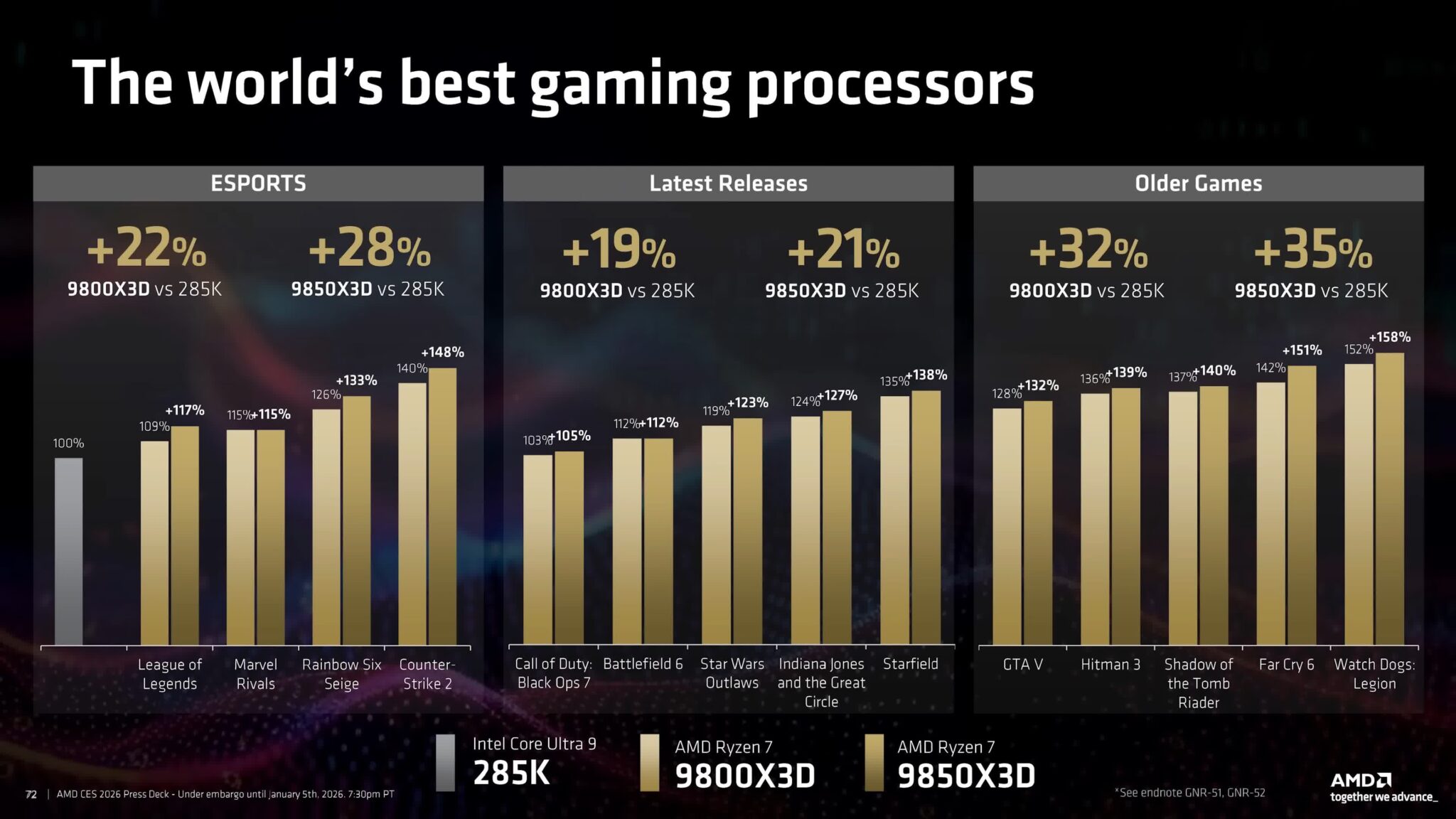


CES 2026 AMD Apresenta Ryzen 7 9850X3D Para Manter Lideran A No Tabela AMD Gaming Scaled . Best CPU For Gaming 2026 Top Gaming Processor The Best CPU For Gaming In 2026 01 . How To Reduce CPU Usage While Gaming Fix High CPU 2026 How To Reduce Cpu Usage While Gaming.webp. Best Mobile Processor 2026 Top Smartphone Chipsets Compare Best Mobile Processor 2026 - Snapdragon Apple Tensor . Does RAM Speed MHz Affect Gaming FPS July 2026 Guide Does RAM Speed MHz Affect Gaming FPS

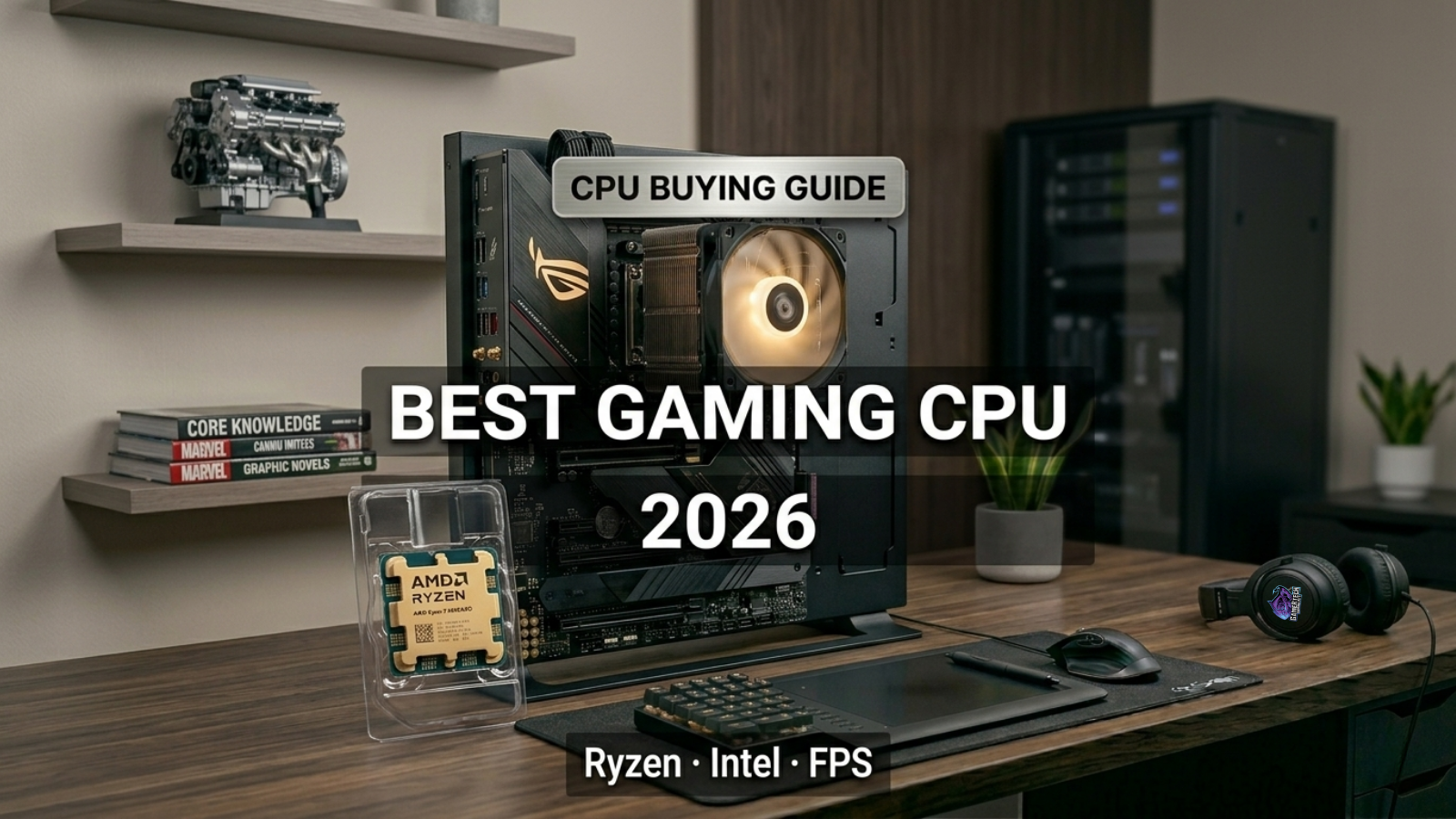
Can A Laptop Graphics Card Be Upgraded Know Your Options Does Cpu Affect Laptop Speed.webp. How Much Does CPU Choice Still Matter For Gaming Performance In 2026 . Best Gaming Laptop 2026 GPU CPU Display Thermals Price Tiers Image. Best Gaming CPU In 2026 What Processor Should You Choose For Your Gam Best Gaming CPU In 2026 . Best Xeon Processor For Gaming In 2026 YouTube
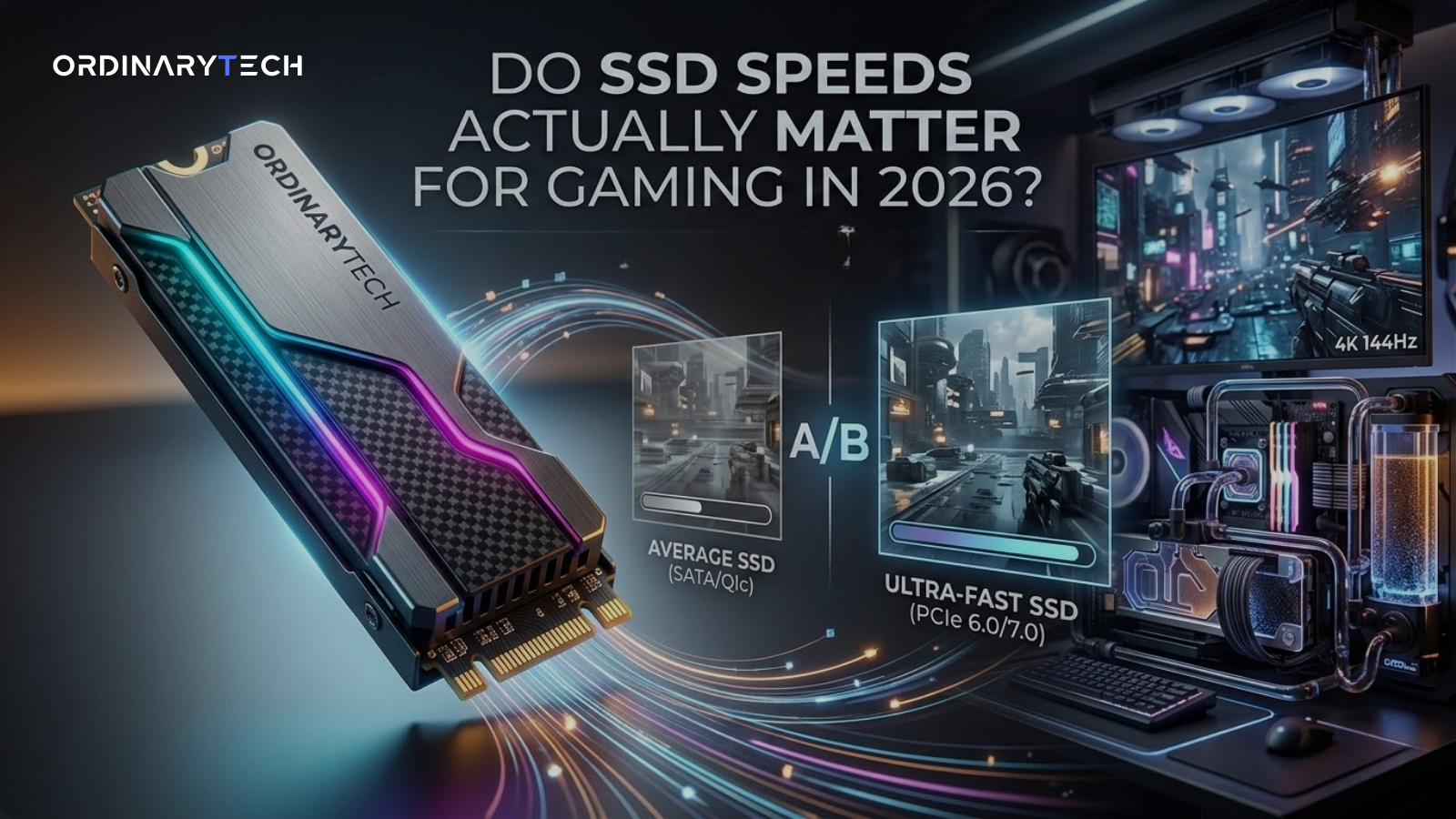

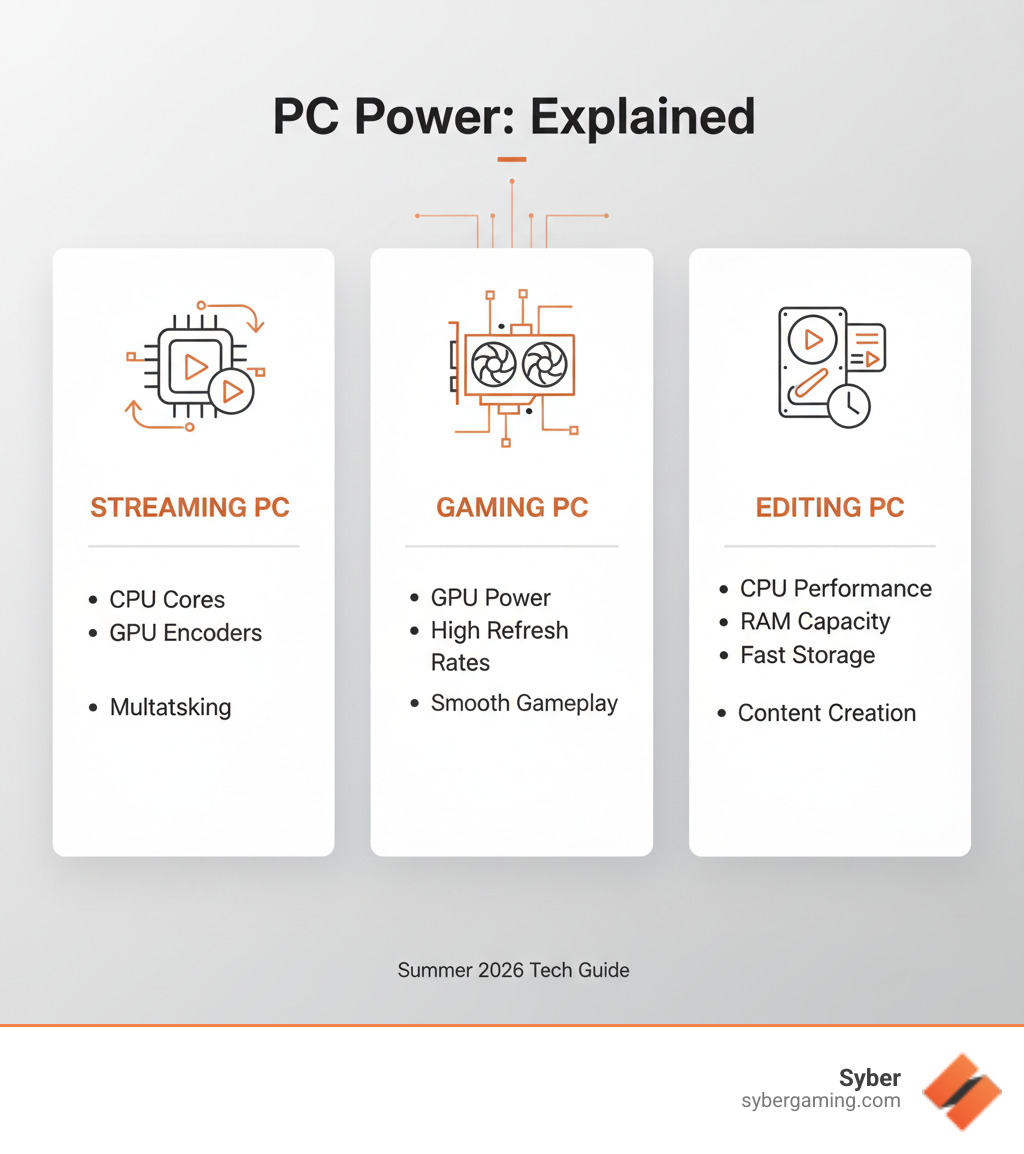

Does SSD Speed Affect Gaming FPS AI Upscaling And Nex March 2026 2 . 2026 CPU Launches AMD Intel NVIDIA Buy Now Or Wait YouTube . Summer 2026 PC Best Buy Guide Prebuilt Power For Streamers SoftBit . Best Gaming CPU 2026 GMDegens Io Best Gaming Cpu . Best Gaming Processor 2026 AMD Vs Intel Comparison Complete Guide Cpu Gaming Intel

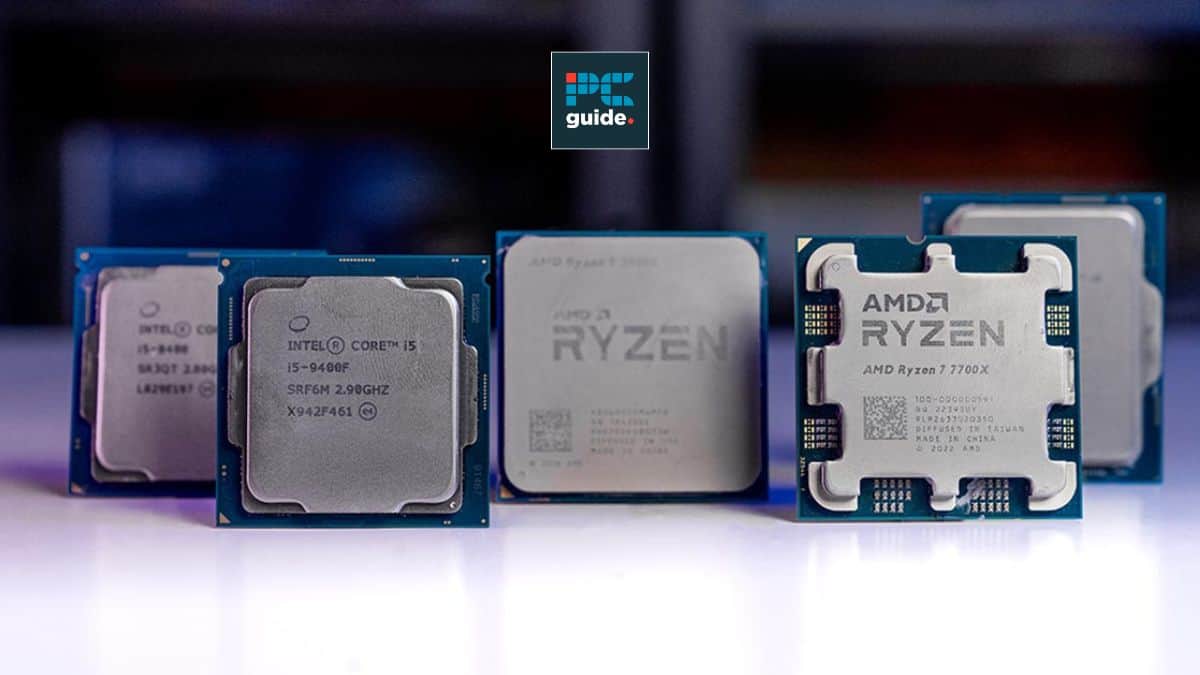
Best Budget CPU For Gaming 2026 Expert Reviews Guide Best Budget CPU For Gaming . How To Choose A Laptop Processor In 2026 CPU 1200x900 . 10 Much Awaited Games Set To Launch In 2026 Games To Launch 2026 1536x967 . CES 2026 Roundup All The Biggest Tech. Best CPU For CS2 In 2026 Our Top Picks Tested For Counter Strike 2 Samsung TV Remote Codes Featured Image 29
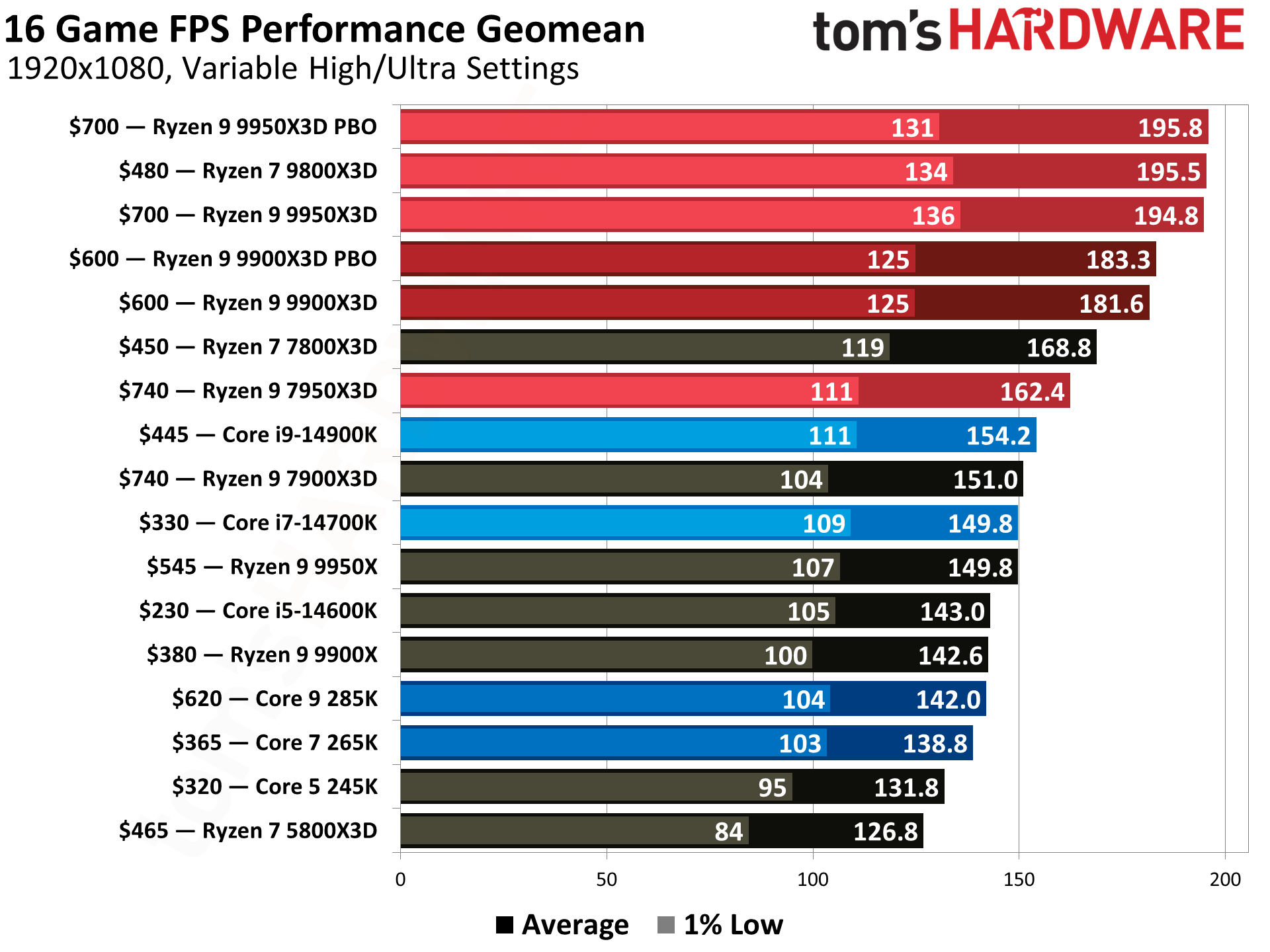

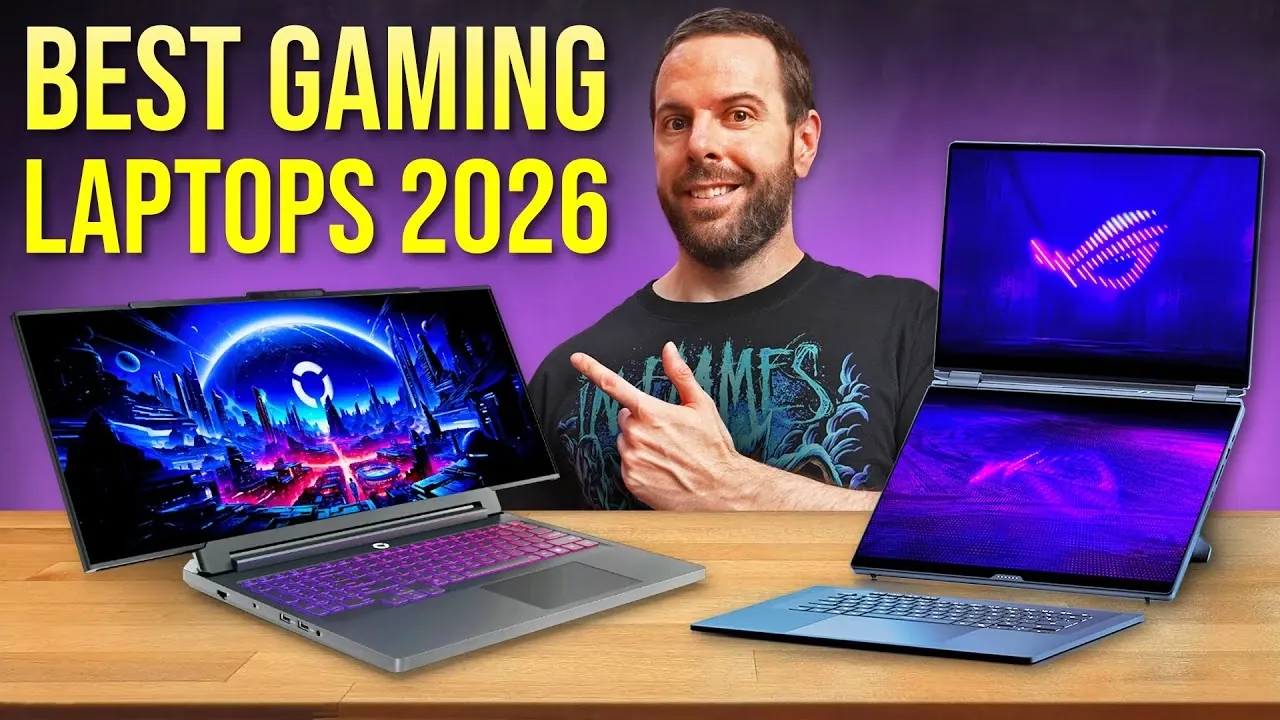

Computer Chips Comparison . CPU Vs GPU In 2026 Key Differences Use Cases And Tips Black Green Red Simple Modern Vlog YouTube Thumbnail 2. Best Budget Gaming CPU 2026 Top Picks Under 200 Switchblade Gaming Best Budget Gaming Cpu 2026.webp. Best Gaming Laptops At CES 2026 RTX 5090 Options Dual Screen Picks Lenovo Legion Pro Rollable Concept. Does CPU Bottleneck Affect FPS More Than GPU Hidden Truth CPU


Best Gaming CPU 2026 Ryzen 7 9800X3D Vs 9600X Vs Intel Best Gaming Cpu 2026 768x432 . What Is CPU Cache L1 L2 L3 Explained GEEKOM UK Image. Best CPU For Minecraft In 2026 WePC Best Cpu For Gaming 300x169 . What Is A Good Clock Speed For CPU Robots Net 9 Amazing Am3 Cpu For 2023 1692156188 . Top 10 Most Anticipated Games Of 2026 What To Watch Out For TVN GAMES IN 2026



TOP 5 Best CPU For Gaming 2026 Stop Buying The Wrong CPU YouTube . Best Gaming Intel CPU 2026 8 Models Tested Compared Intel CPU 1024x559 . How Does CPU Affect Gaming Everything You Need To Know CPU Affect Gaming . Check Out The Latest ROG Gaming Gear Revealed At CES 2026 . Best Laptop Processor For Gaming CPU Performance Guide What Is A Laptop